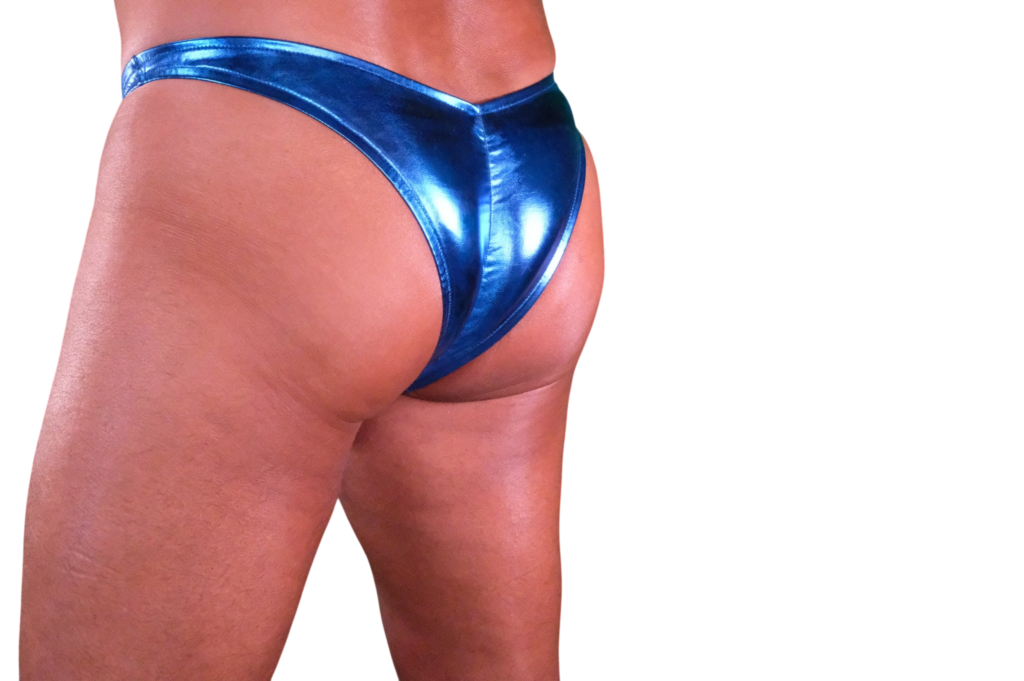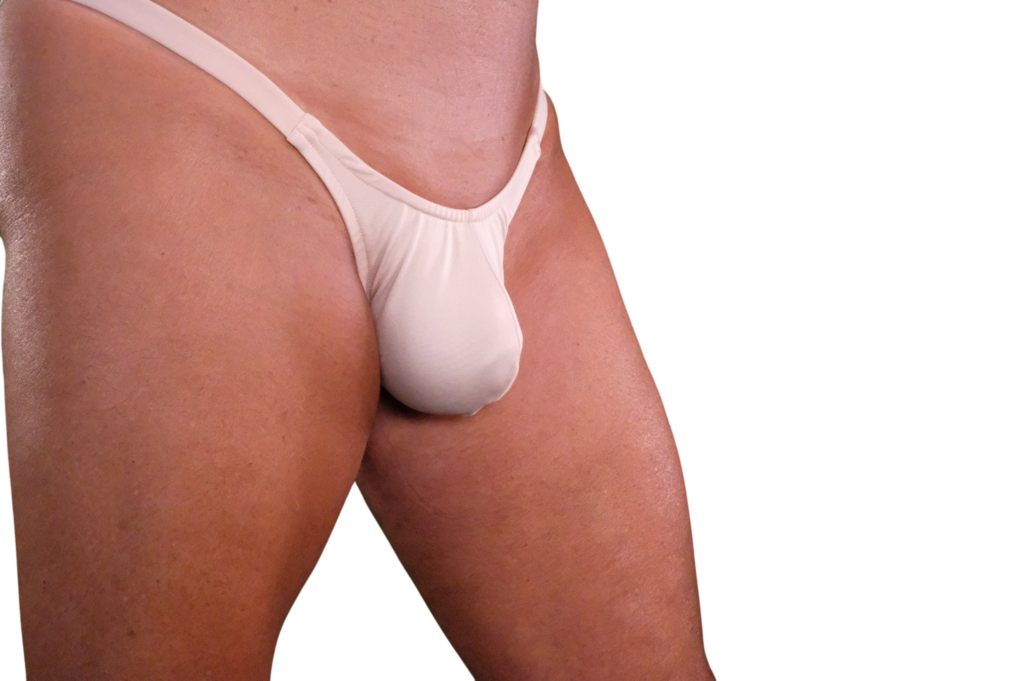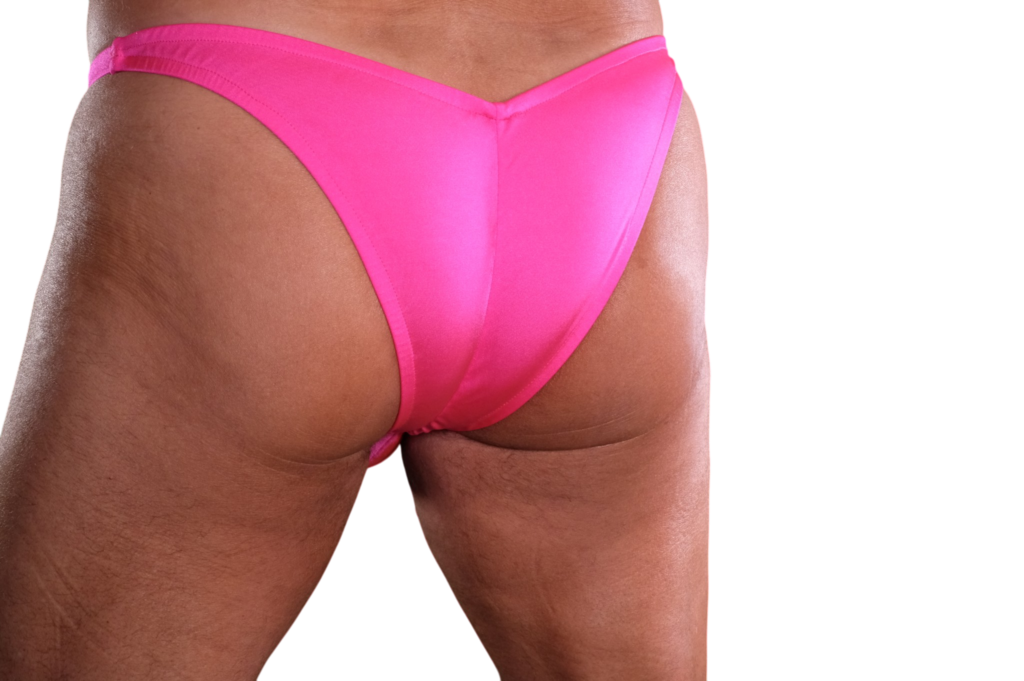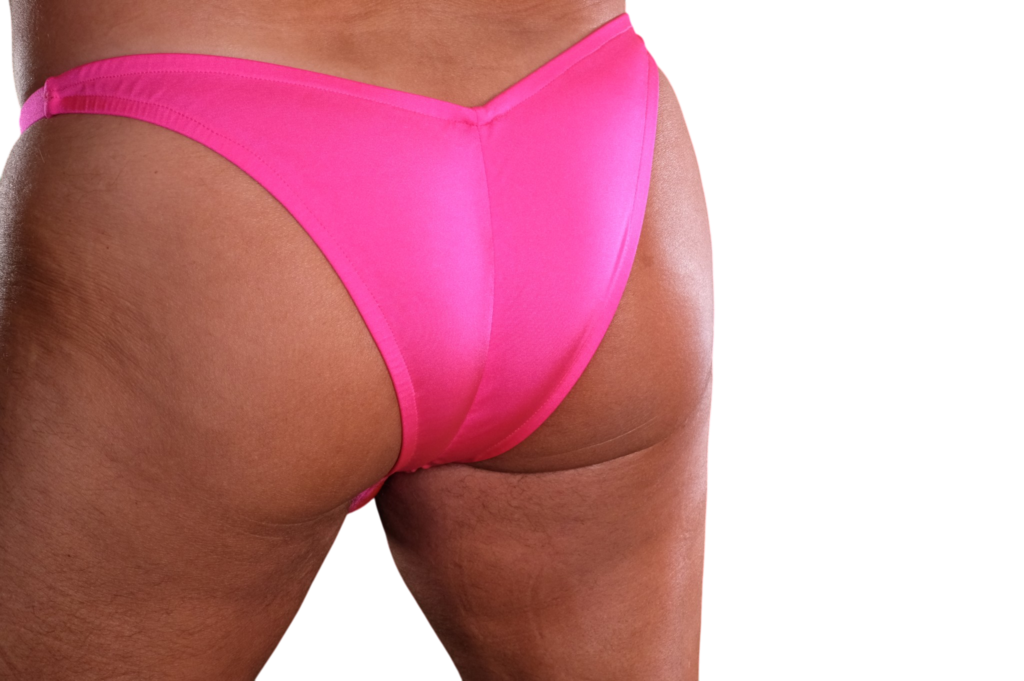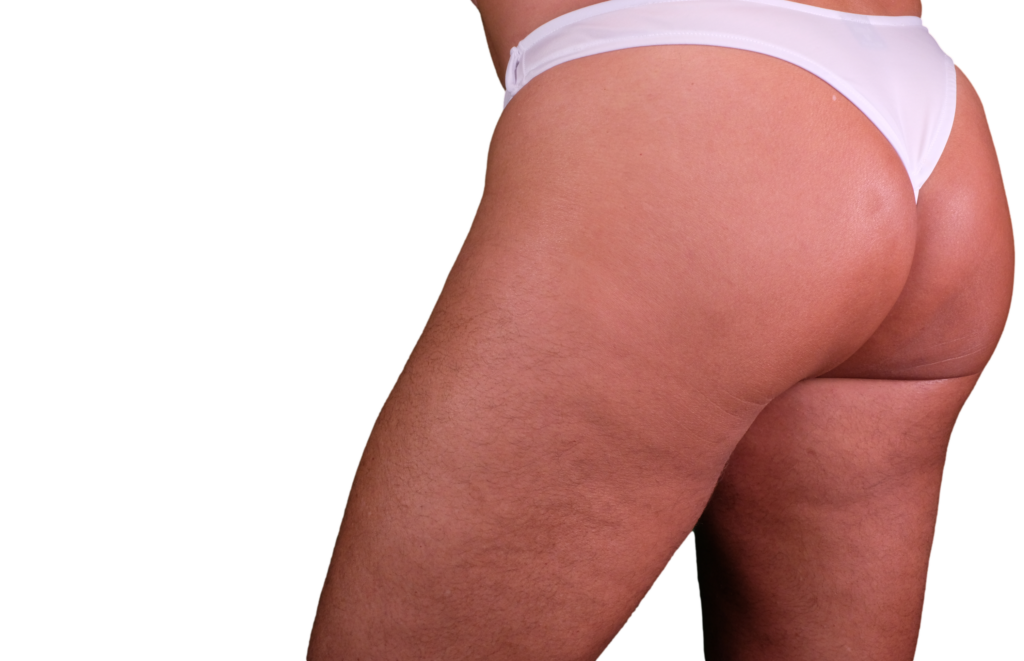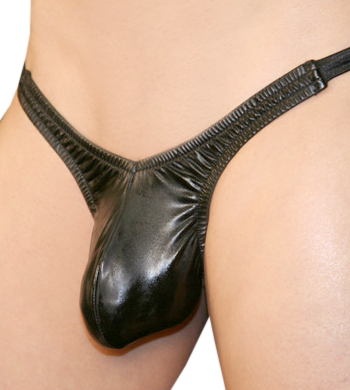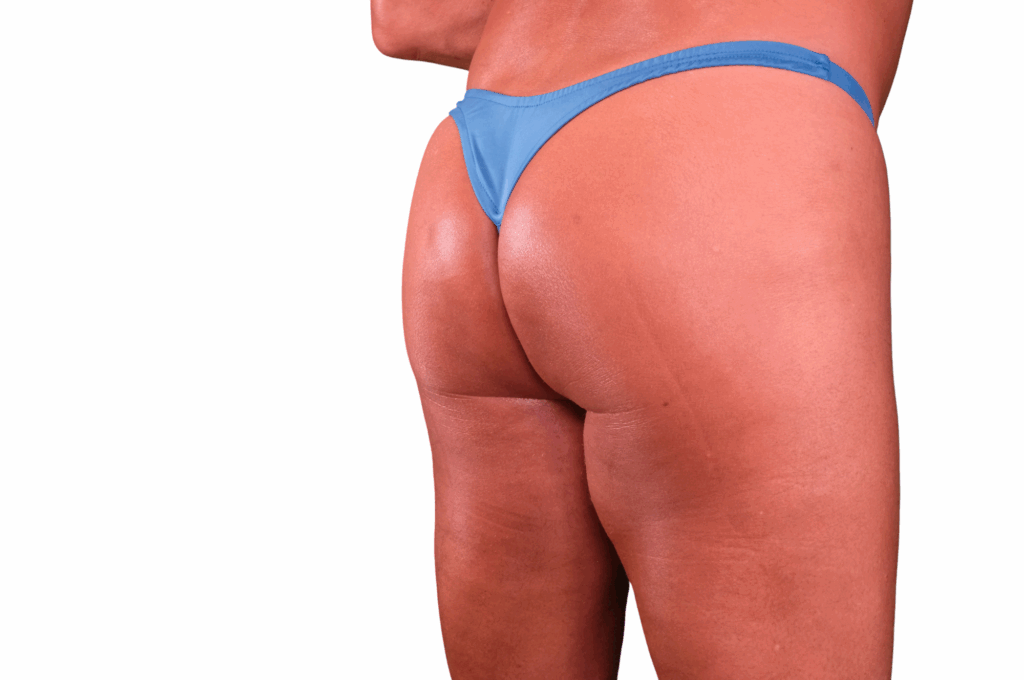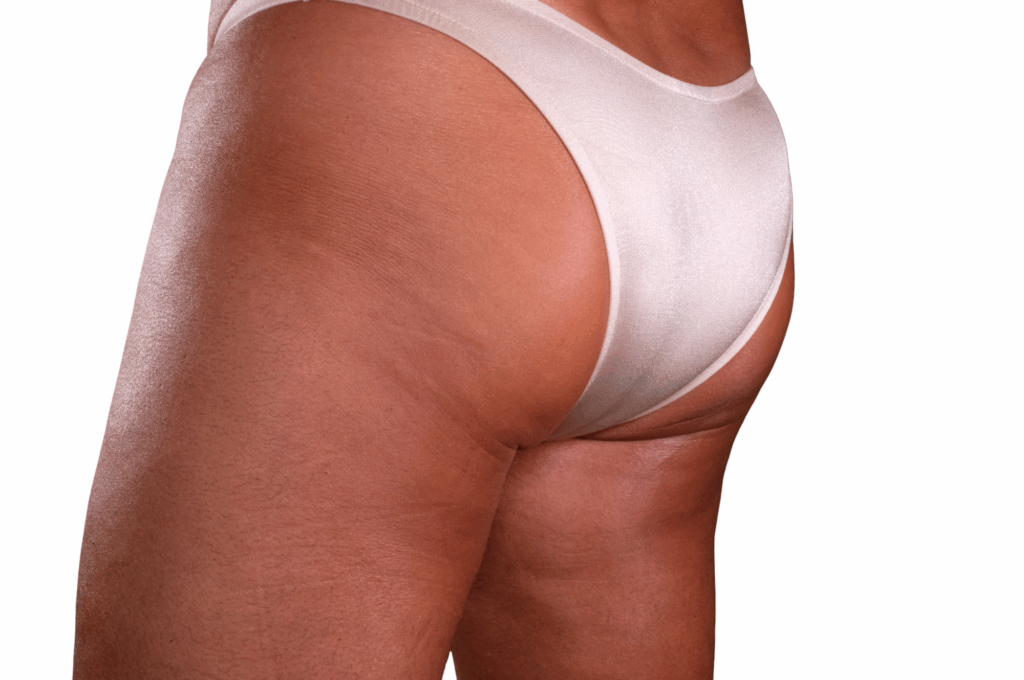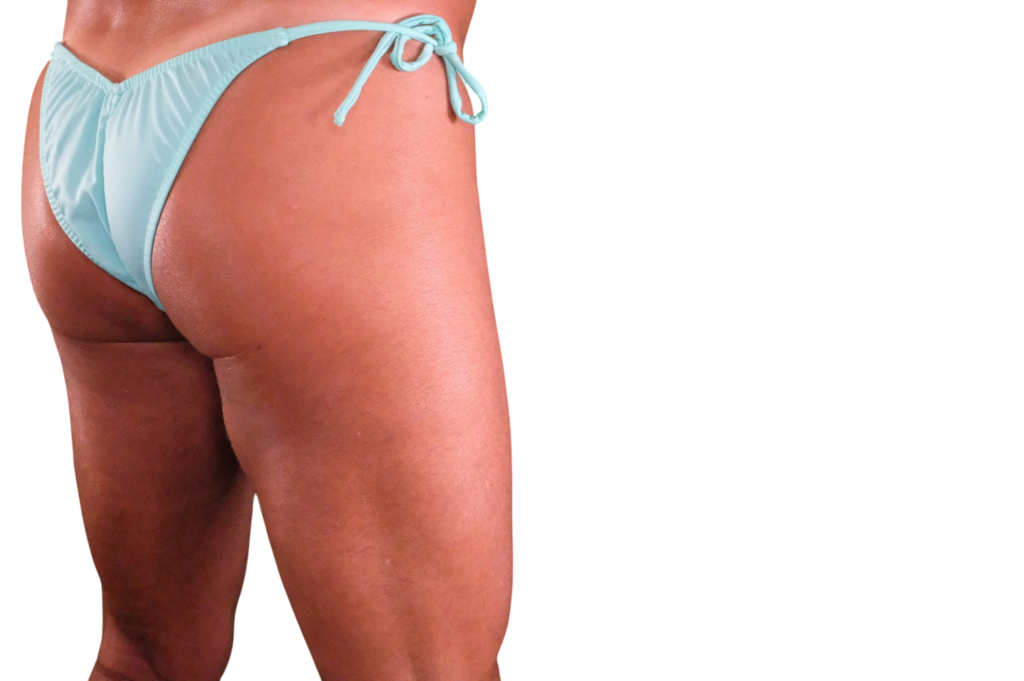
Spandex Briefs Men’s

Men's Spandex Briefs Swimwear
Spandex Briefs

Spandex Briefs for Men and Women: The Complete Guide to Modern Underwear and Swimwear Trends

Spandex Briefs for Men and Women: Complete Guide to Underwear & Swimwear

Discover everything about spandex briefs for men and women, including fabrics, fit, underwear, swimwear, modern fashion trends, comfort, athletic performance, and the growing popularity of streamlined men’s brief styles.

Spandex Briefs for Men and Women: The Complete Guide

Spandex briefs have become one of the most versatile and recognizable styles in modern fashion. Whether worn as everyday underwear, performance apparel, or swimwear, spandex briefs combine comfort, stretch, body-contouring support, and freedom of movement in a way few other garments can match.

Over the past several decades, both men’s and women’s brief designs have evolved dramatically. Advances in fabric technology, changing fashion preferences, and growing interest in body-conscious clothing have resulted in a wider variety of cuts, rises, colors, and silhouettes than ever before.

One notable development is the expansion of fashion-forward men’s briefs and swimwear. While classic full-coverage briefs remain widely popular, many brands now also offer lower-rise cuts, narrower side panels, Brazilian-inspired silhouettes, and minimalist bikini styles that borrow design ideas long associated with women’s swimwear. This trend reflects a growing demand for greater variety rather than a replacement of traditional designs.

This guide explores the history, construction, styles, benefits, and future of spandex briefs for both men and women.


What Are Spandex Briefs?

Spandex briefs are close-fitting garments made primarily from stretch fabrics that typically combine:

  • Spandex (elastane or Lycra®)
  • Nylon
  • Polyester
  • Cotton blends
  • Microfiber

The addition of spandex allows the fabric to stretch comfortably while maintaining its original shape after repeated wear.

Because of these properties, spandex briefs are used for:

  • Everyday underwear
  • Swimwear
  • Athletic apparel
  • Dancewear
  • Performance sports
  • Fitness training
  • Lifestyle fashion

Why Spandex Changed Underwear and Swimwear

Before modern stretch fabrics became common, underwear and swimwear often relied on woven materials with limited flexibility.

The introduction of spandex transformed garment design by providing:

  • Four-way stretch
  • Better recovery
  • Improved body contouring
  • Reduced fabric bulk
  • Faster drying
  • Greater freedom of movement
  • Enhanced comfort

These qualities made fitted garments practical for both athletic performance and everyday wear.


Spandex Briefs for Women

Women’s spandex briefs are available in a wide range of silhouettes, including:

  • Classic briefs
  • Bikini briefs
  • High-cut briefs
  • Hipsters
  • Boyshorts
  • Brazilian styles
  • Seamless briefs
  • Performance briefs

Design priorities often include comfort, smooth lines under clothing, and freedom of movement while allowing individuals to choose the amount of coverage they prefer.


Spandex Briefs for Men

Men’s briefs have also diversified significantly.

Today’s collections include:

  • Traditional briefs
  • Athletic briefs
  • Swim briefs
  • Bikini briefs
  • Low-rise briefs
  • High-cut briefs
  • Brazilian-inspired styles
  • Minimalist fashion briefs

This expanded range gives consumers more options based on activity, comfort, and personal style.


Underwear vs. Swimwear

Although they can appear similar, underwear briefs and swim briefs are designed for different purposes.

Underwear

Typically features:

  • Softer fabrics
  • Breathability
  • Moisture management
  • Everyday comfort

Swimwear

Typically includes:

  • Chlorine-resistant materials
  • UV-resistant fabrics
  • Faster drying
  • Durable construction
  • Linings or support features suited to water use

Choosing garments designed for their intended purpose helps maximize comfort and longevity.


How Men’s Brief Styles Have Evolved

Historically, many men’s swimwear collections emphasized larger trunks or fuller-cut briefs.

Today, consumers can also find:

  • Lower-rise waistlines
  • Higher-cut leg openings
  • Narrower side panels
  • Streamlined silhouettes
  • Fashion-oriented colors and prints

These styles are particularly popular in some international beach destinations and among people who prefer a more fitted aesthetic.

At the same time, classic swim trunks and traditional briefs continue to make up a substantial portion of the market, giving shoppers a broad spectrum of choices.


Why Some Men Choose Smaller Brief Styles

People choose more streamlined briefs for many different reasons.

Common motivations include:

  • Greater freedom of movement
  • Reduced drag while swimming
  • Smaller tan lines
  • Lightweight feel
  • Athletic appearance
  • Personal fashion preference
  • International beach style influences

The right style depends on comfort and confidence rather than following any single trend.


Choosing the Right Rise

Rise changes both appearance and fit.

High Rise

  • More coverage
  • Traditional styling
  • Comfortable support

Mid Rise

  • Versatile
  • Everyday comfort
  • Popular for both underwear and swimwear

Low Rise

  • Modern silhouette
  • Pairs well with lower-waisted clothing
  • Common in contemporary fashion collections

Leg Openings and Side Width

The cut of the leg opening and side panels affects mobility and appearance.

Options include:

  • Full side panels
  • Moderate-width sides
  • Narrow bikini sides
  • High-cut athletic legs

Each offers a different balance of coverage and freedom of movement.


Fabric Technology

Modern spandex blends continue to improve.

Popular materials include:

Nylon-Spandex

  • Soft
  • Smooth
  • Luxurious feel

Polyester-Spandex

  • Excellent color retention
  • Chlorine resistance
  • Durable

Microfiber

  • Lightweight
  • Moisture-wicking
  • Comfortable for daily wear

Recycled Performance Fabrics

Many manufacturers now incorporate recycled fibers while maintaining stretch and performance.


Colors and Prints

Classic colors remain popular:

  • Black
  • White
  • Navy
  • Gray

Fashion collections also include:

  • Coral
  • Turquoise
  • Lavender
  • Emerald
  • Bright red
  • Tropical prints
  • Geometric designs
  • Floral patterns

Consumers increasingly choose colors based on personal style rather than traditional gender expectations.


Finding the Right Fit

A properly fitted brief should:

  • Stay comfortably in place
  • Allow unrestricted movement
  • Avoid pinching
  • Maintain support
  • Retain its shape throughout the day

Always consult the manufacturer’s sizing guide, as sizing varies between brands.


Caring for Spandex Briefs

Proper care helps extend the life of your garments.

Recommended practices include:

  • Wash according to the care label.
  • Rinse swimwear after chlorine or saltwater exposure.
  • Avoid excessive heat when drying.
  • Replace garments that lose elasticity.
  • Rotate multiple pairs to reduce wear.

Frequently Asked Questions

What are spandex briefs?

Spandex briefs are close-fitting underwear or swimwear made from stretch fabrics that combine comfort, support, and flexibility.

Are spandex briefs good for swimming?

Swim briefs made from swim-specific spandex blends are designed for water use and typically dry quickly while maintaining their shape.

Why are more men’s brief styles becoming streamlined?

Many brands have expanded their collections to include lower-rise and more fitted silhouettes in response to changing fashion preferences, international influences, and consumer demand for greater variety.

Are smaller briefs right for everyone?

Not necessarily. Some people prefer classic full-coverage styles, while others enjoy lower-rise or bikini-inspired designs. The best choice depends on comfort, intended use, and personal style.

How long do quality spandex briefs last?

With proper care, high-quality briefs can retain their fit and elasticity through many months or years of regular use, depending on frequency of wear.

Final Thoughts

Spandex briefs have become a cornerstone of modern underwear and swimwear because they combine stretch, comfort, durability, and performance in a compact, versatile design. Both men’s and women’s collections have evolved to offer a wider range of silhouettes, from traditional full-coverage briefs to streamlined, fashion-forward cuts.

Rather than converging into a single style, today’s market is expanding to provide more choices than ever before. Consumers can select garments that match their activities, body shape, and personal preferences—whether that means a classic athletic brief, a contemporary bikini-inspired design, or a supportive everyday essential. As fabric technology and fashion continue to evolve, spandex briefs are likely to remain one of the most adaptable and enduring categories in both underwear and swimwear.

Micro Swimwear Spandex Briefs

Spandex Briefs

How Spandex Briefs Have Gone Micro for Men: The Evolution of Modern Men’s Swimwear

For decades, the classic men’s swim brief represented the smallest swimwear most men would ever consider wearing. Popularized by competitive swimming and iconic beach cultures around the world, the traditional swim brief offered freedom of movement, comfort, and a sleek athletic appearance. Today, however, the world of men’s swimwear has evolved dramatically. What was once considered daring has become relatively conservative as a new generation of micro and ultra-micro spandex swimwear designs continues to push the boundaries of minimalism.

The modern men’s swimwear market is experiencing a transformation unlike anything seen before. Spandex briefs have steadily shrunk, becoming smaller, lighter, and more revealing while simultaneously gaining acceptance among men from a wide range of backgrounds and lifestyles.

From Athletic Briefs to Fashion Statements

Traditional swim briefs were originally designed with function in mind. Competitive swimmers needed garments that minimized drag and allowed unrestricted movement in the water. The result was a simple, streamlined design that hugged the body and provided support without excess fabric.

Over time, men began discovering that these same characteristics made swim briefs attractive for recreational use as well. They were comfortable, practical, and offered a much better tan than longer swim shorts.

As beach culture evolved, swimwear manufacturers started experimenting with lower waistlines, higher leg cuts, and more body-conscious fits. What began as subtle design changes eventually led to the creation of micro briefs, string bikinis, and other minimalist styles.

The Power of Spandex

The rise of micro swimwear would not have been possible without advances in fabric technology. Modern spandex blends provide incredible stretch, shape retention, and comfort while requiring very little material.

Unlike older swimwear fabrics, today’s high-performance spandex can conform closely to the body while remaining comfortable throughout the day. This allows designers to create extremely small garments that still stay securely in place during swimming, sunbathing, and beach activities.

The fabric itself has become part of the appeal. Many enthusiasts enjoy the smooth, second-skin sensation that quality spandex provides. The lightweight nature of modern swimwear materials means even the smallest designs can feel supportive and secure.

The Rise of the Micro Brief

Micro briefs represent the next step in the evolution of traditional swim briefs. While maintaining the familiar brief silhouette, they significantly reduce fabric coverage.

Characteristics often include:

  • Narrower front panels
  • Lower waistlines
  • Higher-cut leg openings
  • Reduced side widths
  • Smaller rear coverage

The goal is to provide just enough coverage for swimming and beach use while maximizing freedom, comfort, and tanning potential.

Many men who try micro briefs for the first time report that the experience feels surprisingly liberating. Without excess fabric bunching, riding up, or restricting movement, micro briefs can feel almost weightless.

Ultra-Micro Swimwear Takes Things Further

For some enthusiasts, even micro briefs are only the beginning.

Ultra-micro swimwear designs reduce coverage to the absolute minimum while remaining functional swimwear. These designs often use innovative construction techniques to create secure garments using remarkably small amounts of fabric.

Some styles feature:

  • Extremely narrow fronts
  • Minimal side straps
  • Ultra-thin waistbands
  • Reduced rear coverage
  • Streamlined shaping

While these styles are not for everyone, they represent a growing niche within the men’s swimwear market. The appeal often comes from the feeling of wearing almost nothing while still remaining dressed and beach-appropriate in suitable environments.

Changing Attitudes Toward Men’s Swimwear

One of the biggest factors driving the micro swimwear trend is changing attitudes about men’s fashion.

For years, many men felt limited to board shorts or loose-fitting trunks. Today, younger generations are generally more willing to experiment with personal style and body-conscious clothing.

The popularity of fitness culture has also contributed. Men who spend significant time in the gym often prefer swimwear that showcases their physique rather than concealing it beneath large amounts of fabric.

Social media has accelerated this trend by exposing men to swimwear styles from around the world. What may have once seemed unusual in one region can quickly become familiar through online communities and travel content.

International Influence

Many of today’s micro swimwear trends draw inspiration from international beach cultures.

In parts of South America, Europe, and Australia, smaller men’s swimwear styles have long been accepted. Brazilian-inspired cuts, European swim briefs, and other minimalist designs have influenced manufacturers worldwide.

As global travel has increased, men have become more comfortable adopting styles that may have once been viewed as unconventional in their home countries.

The result is a much more diverse swimwear landscape where men have far more choices than previous generations.

Comfort Is Driving the Trend

While appearance often receives most of the attention, comfort remains one of the primary reasons men choose micro swimwear.

Benefits frequently cited include:

  • Greater freedom of movement
  • Less fabric to trap water
  • Faster drying times
  • Reduced chafing
  • Better tanning
  • Cooler temperatures in hot weather

Many men who switch from larger swim trunks discover that smaller swimwear simply feels more practical for swimming and beach activities.

The Future of Men’s Swimwear

The trend toward smaller spandex swimwear shows no signs of slowing down. Designers continue experimenting with new cuts, advanced fabrics, and innovative construction methods.

At the same time, mainstream acceptance continues to grow. Swimwear styles that were once considered extreme are increasingly becoming part of the broader men’s swimwear conversation.

While board shorts and traditional trunks will always have their place, today’s marketplace offers unprecedented variety. Men can choose everything from athletic racing briefs to micro bikinis and ultra-minimalist designs depending on their comfort level and personal style.

Ultimately, the evolution of spandex briefs into micro and ultra-micro swimwear reflects a larger shift in men’s fashion: greater freedom of choice. Men are increasingly selecting swimwear based on comfort, confidence, functionality, and personal expression rather than simply following traditional expectations.

For many enthusiasts, the modern micro brief represents the perfect balance of performance, comfort, and style—a natural evolution of the classic spandex swim brief that started it all.

Spandex Briefs

Spandex Briefs Swimwear for Men
Spandex Briefs

Why Spandex Briefs Have Become One of the Hottest Trends in Men’s Underwear and Swimwear

Not that long ago, most men’s underwear drawers and beach bags looked pretty much the same. Cotton boxers, loose boxer briefs, and oversized board shorts dominated the market, while anything tighter or more revealing was often considered something only competitive swimmers or fashion-forward Europeans would wear.

Today, that picture has changed dramatically.

Spandex briefs have become one of the fastest-growing categories in men’s underwear, and that same body-hugging style has crossed over into swimwear in a big way. From classic swim briefs to tiny micro bikinis and even ultra-minimal thong designs, men around the world are discovering that less fabric often means more comfort, more freedom, and a much better fit.

The Rise of Performance Fabrics

Modern spandex blends have completely transformed the way men’s underwear feels and performs.

Unlike traditional cotton, today’s nylon and spandex fabrics stretch in every direction, move naturally with the body, and provide gentle support without feeling restrictive. They wick away moisture, dry quickly, and maintain their shape even after repeated washing.

These same characteristics make spandex the perfect material for swimwear.

Many men who switch to spandex briefs for everyday wear quickly realize that they enjoy the close fit and support so much that baggy swim trunks suddenly feel bulky and outdated.

The Evolution from Underwear to Swimwear

The line between underwear and swimwear has become increasingly blurred.

Many modern men’s swim briefs are built almost exactly like premium underwear, simply using chlorine-resistant and quick-drying materials. The cut, support, and overall feel are remarkably similar.

As a result, men who become comfortable wearing fitted spandex underwear often find themselves naturally gravitating toward smaller swimwear styles.

What starts as a simple swim brief frequently leads to experimenting with bikini cuts, Brazilian backs, and eventually some of the newer micro designs that have become increasingly popular.

Why Men Love Spandex Briefs

There are several reasons why spandex briefs have become such a staple.

Superior Comfort

A properly fitted spandex brief moves with the body instead of bunching or shifting throughout the day. Whether sitting at a desk, working out, or spending a day at the beach, the fabric stays in place.

Better Support

Many men appreciate the secure feel that comes from a supportive front pouch and body-contouring design. Unlike loose boxers, spandex briefs keep everything comfortably supported without excess movement.

Athletic Appeal

The streamlined appearance of fitted underwear and swimwear has become closely associated with fitness and an active lifestyle. Men who spend time in the gym often prefer clothing that reflects the effort they put into maintaining their physique.

Confidence

For many, wearing a well-designed spandex brief simply feels good. The close fit creates clean lines under clothing while offering a more modern alternative to traditional loose-fitting underwear.

Swim Briefs Are Back

The classic men’s swim brief never truly disappeared, but it has certainly experienced a resurgence.

Travel to beaches across Europe, South America, Australia, or many resort destinations, and fitted swimwear is everywhere. Even in North America, younger generations are increasingly choosing swim briefs over oversized board shorts.

The advantages are easy to understand:

  • Less drag in the water.
  • Faster drying.
  • Better tanning.
  • Greater freedom of movement.
  • A cleaner, more athletic appearance.

For many men, once they make the switch, they rarely go back.

The Popularity of Bikini Swimwear

As comfort levels have evolved, bikini-cut swimwear has become one of the hottest segments of the men’s swim market.

These designs offer a lower waist, higher-cut legs, and a more streamlined profile than traditional swim briefs. Many men appreciate the minimal feel while still having enough coverage to wear confidently at pools, beaches, and resorts.

Modern bikini designs range from conservative athletic cuts to fashion-forward European styles, allowing every man to find something that matches his personality.

The Micro Trend

Perhaps the biggest surprise in recent years has been the rise of micro swimwear.

Micro bikinis use minimal fabric while maintaining the support and comfort that men have come to expect from quality spandex construction. Rather than hiding the body under layers of material, these designs celebrate simplicity and confidence.

Many men are drawn to micro styles because they provide:

  • Minimal tan lines.
  • Lightweight comfort.
  • Maximum freedom of movement.
  • A bold, contemporary look.

While they may not be for everyone, micro swimwear has developed a loyal following among men who appreciate fashion that pushes traditional boundaries.

Thongs Have Entered the Mainstream

One of the most noticeable shifts in men’s swimwear has been the growing acceptance of thong designs.

For many years, men’s thongs were largely associated with bodybuilding competitions, fashion photography, or niche markets. Today, they are commonly seen at beaches, pool parties, cruises, and tropical resorts around the world.

Modern men’s thong swimwear combines the same supportive spandex construction found in premium underwear with rear coverage that maximizes comfort and minimizes tan lines.

Many first-time wearers are surprised to discover that a properly designed thong can actually feel more comfortable than larger styles because there is less fabric to bunch, sag, or hold water.

Fashion Boundaries Continue to Change

One of the reasons spandex briefs have crossed so naturally into swimwear is that men’s fashion itself is changing.

Today’s consumers are more interested in wearing what feels good rather than worrying about outdated rules regarding what men “should” wear. The growing popularity of fitted athletic clothing, compression gear, and performance fabrics has made body-conscious styles much more common.

As a result, swimwear has followed the same path.

What was once considered daring—a fitted swim brief—has become normal. Bikinis have become increasingly accepted, and micro briefs and thongs continue to gain popularity among men who appreciate their unique combination of style and comfort.

The Future of Men’s Swimwear

The trend toward smaller, more supportive swimwear shows no signs of slowing down.

As fabric technology improves and men become more comfortable expressing their personal style, the crossover between premium spandex underwear and modern swimwear will likely continue to grow.

From everyday spandex briefs to classic swim briefs, sleek bikini cuts, tiny micro styles, and minimalist thong designs, one thing is clear: men are discovering that comfort, confidence, and great design often come with a lot less fabric than they ever imagined.

Spandex Bikini Swimsuit Briefs for Men

Spandex Briefs

Spandex Bikini Swim Briefs for Men: The Global Rise of Sleek, Confident Swimwear

For generations, men’s swimwear was often defined by one simple rule: more fabric meant safer fashion. Long trunks, baggy boardshorts, and oversized cuts dominated many beaches, especially in places where surf culture and modesty expectations shaped what men were “supposed” to wear.

But over time, that standard has shifted.

Today, spandex bikini swim briefs for men have become one of the most recognized, practical, and increasingly mainstream forms of men’s swimwear worldwide. Once viewed in some regions as overly bold, too European, or reserved only for competitive swimmers or fashion risk-takers, the men’s swim brief has evolved into a widely accepted option across beaches, resorts, cruise destinations, hotel pools, and recreational swim spaces around the world.

While acceptance still varies somewhat by venue, region, and local dress norms, the global reality is clear: men’s spandex swim briefs are no longer unusual—they are a normal part of modern swimwear culture.


What Are Spandex Bikini Swim Briefs?

Spandex bikini swim briefs are close-fitting men’s swimsuits designed to provide:

  • Streamlined fit
  • Full mobility
  • Minimal drag
  • Body contouring
  • Faster drying
  • Greater freedom of movement

They typically feature:

  • Lower-rise waistlines
  • Higher leg cuts than trunks
  • Supportive front construction
  • Rear coverage ranging from athletic to fashion-forward

These designs can range from conservative swim briefs to more fashion-oriented bikini cuts, but all share one thing in common:

They prioritize fit over excess fabric.


Why Men Once Hesitated

For many men, especially in cultures where boardshorts dominated, bikini briefs once carried unnecessary social baggage.

Common fears included:

  • “Will I stand out too much?”
  • “Are these only for athletes?”
  • “Will people think this is too revealing?”
  • “Is this accepted here?”

Much of this hesitation came from social conditioning, not practicality.

In reality, men’s swim briefs have long been standard or common in many parts of the world, particularly in:

  • Europe
  • South America
  • Australia
  • Competitive swim communities
  • Luxury resort environments

As global fashion became more connected, many men began realizing that swim briefs were less about controversy and more about comfort, confidence, and regional style.


The Global Shift Toward Acceptance

It’s important to avoid claiming every specific style is universally accepted in every exact setting, since local dress codes and cultural norms still differ. However, men’s swim briefs are now broadly accepted in mainstream swim culture across much of the world.

Why?


1. International Travel Changed Perception

As men travel more, they quickly notice:

  • Briefs in Europe are common
  • Smaller cuts in Brazil are standard
  • Resort destinations often feature diverse swimwear
  • Athletic pools regularly favor fitted suits

Exposure changes mindset.

What may have once felt “too much” in one hometown often feels completely ordinary in an international hotel pool.


2. Performance and Comfort Matter

Many men who switch to spandex briefs discover practical advantages immediately:

Better swimming:

Reduced drag.

Faster drying:

No heavy, wet shorts.

More mobility:

Ideal for active beaches or lap swimming.

Less chafing:

Fewer issues with sand or fabric bunching.

Better tanning:

Cleaner lines and more sun exposure.

For many, comfort alone becomes the reason they stay.


3. Fitness Culture Encouraged Better Fit

Modern men increasingly prioritize:

  • Physique
  • Grooming
  • Style
  • Body confidence

Baggy shorts often hide body shape, while swim briefs emphasize:

  • Legs
  • Waist
  • Athletic build
  • Glute shape

As men became more body-conscious, many started seeing swim briefs not as risky—but as flattering.


4. Fashion Has Become More Flexible

Today’s men’s swimwear landscape includes:

  • Boardshorts
  • Square cuts
  • Swim trunks
  • Briefs
  • Bikinis
  • Thongs (in some settings)

This diversity has made smaller cuts feel less like rebellion and more like personal choice.


Why First-Time Wearers Often Feel Nervous

A common first experience:
“I feel exposed.”

This is understandable—especially for men transitioning from knee-length shorts.

But many discover that after a short adjustment period:

  • The suit feels natural
  • Others care less than expected
  • Confidence grows quickly
  • Comfort outweighs anxiety

For many men, the biggest challenge is not the garment—it’s breaking old assumptions.


Hotel Pools, Beaches, and Resort Culture

Spandex bikini briefs are especially common in:

  • Mediterranean beaches
  • Cruise resorts
  • Las Vegas pools
  • South Florida
  • Mexico resort zones
  • Australia
  • Luxury spas
  • Competitive swim facilities

At many destinations, fitted swimwear is simply part of the landscape.

That said, venue-specific dress codes can still apply, so checking local policies is always smart.


Women’s Reactions and Social Perception

Many men are surprised to find that confidence and fit often matter more than suit size.

Well-fitted swim briefs are often perceived as:

  • Stylish
  • Athletic
  • European-inspired
  • Confident
  • Mature

Poorly fitted baggy trunks can sometimes draw less flattering reactions than sleek, intentional swimwear.


Types of Men Wearing Swim Briefs Today

The stereotype that only certain men wear briefs has faded significantly.

Today wearers include:

  • Competitive swimmers
  • Vacation travelers
  • Fitness enthusiasts
  • Fashion-conscious men
  • Mature adults
  • Younger style adopters
  • Men seeking comfort

The demographic is broadening rapidly.


The Psychological Shift: From Fear to Freedom

For many men, wearing a swim brief is about more than swimwear.

It can represent:

  • Body confidence
  • Personal style
  • Breaking unnecessary shame
  • Comfort over conformity
  • International fashion awareness

Once a man becomes comfortable in fitted swimwear, many report that oversized shorts feel restrictive or outdated.


Choosing the Right Brief

For beginners:

Start with:

  • Dark colors
  • Mid-rise cuts
  • Athletic styling
  • Moderate side width

As confidence grows:

  • Lower-rise bikinis
  • Brighter colors
  • Higher cuts
  • Fashion styles

Fit and comfort are more important than extremity.


Final Thoughts

Spandex bikini swim briefs for men have evolved from a misunderstood niche into a globally recognized and widely accepted swimwear category.

They offer:
Comfort
Performance
Style
Confidence
And freedom

While no swimwear style is literally identical in acceptance everywhere, men’s swim briefs are now common enough across global beaches and hotel pools that they are firmly part of mainstream men’s fashion.

For many men, the journey starts with hesitation:

“Can I really wear this?”

And often ends with:

“Why didn’t I start sooner?”

Spandex swim briefs are not just about wearing less.

For millions of men worldwide, they are about wearing what feels better, moves better, and reflects modern confidence.

Spandex Briefs

Spandex Bikini Brief
Spandex Briefs

The Story of Spandex Briefs for Men

From Function to Form, and Form to Identity

Chapter 1: The Era of Coverage and Constraint

Before the modern brief existed, men’s swimwear and underwear were defined by coverage and restraint rather than comfort or style.

In the early 1900s, wool swimsuits dominated. These garments were heavy, water-absorbing, and designed to conceal the body. Similarly, underwear consisted of long, loose-fitting garments that prioritized modesty over support.

At the time, the male body was not something to be displayed or emphasized. Clothing was meant to minimize shape, not highlight it. The idea of a garment that hugged the body closely—let alone enhanced it—was far outside cultural norms.


Chapter 2: The Birth of the Brief Silhouette

The 1930s introduced one of the most important shifts in men’s apparel: the modern brief.

This new design eliminated excess fabric and introduced:

  • A shorter cut
  • A more supportive structure
  • A closer fit to the body

By the 1950s and 60s, this silhouette began influencing swimwear. Swim briefs emerged as a streamlined alternative to bulkier suits, especially in athletic contexts.

However, materials were still limited. Early fabrics lacked elasticity, meaning these garments could fit better than before—but not perfectly. Movement, comfort, and contouring were still constrained by the technology of the time.


Chapter 3: The Spandex Revolution

The invention of spandex (also known as elastane or Lycra) in the mid-20th century marked a turning point not just for briefs—but for all form-fitting apparel.

Spandex introduced properties that changed everything:

  • Multi-directional stretch
  • Shape retention
  • Lightweight feel, even when wet
  • The ability to conform closely to the body

By the 1970s and 80s, spandex had become the foundation of modern swim briefs.

Athletes quickly adopted these designs. Competitive swimmers, in particular, benefited from reduced drag and increased mobility. The sleek, body-hugging brief became a symbol of performance and efficiency.

For everyday wearers, this was the first time a garment could truly adapt to their body instead of forcing the body to adapt to the garment.


Chapter 4: Cultural Divergence

As spandex briefs spread globally, different regions embraced them in different ways.

In much of Europe, South America, and parts of Asia, fitted swim briefs became standard. They were practical, stylish, and aligned with a culture that was more comfortable with body-conscious clothing.

In the United States, however, looser styles—especially board shorts—rose to dominance. These designs reflected surf culture and a preference for more coverage.

This created a long-standing divide:

  • In many parts of the world, briefs were the norm
  • In the U.S., they became more niche or associated with athletics

Despite this, the appeal of spandex briefs remained strong, particularly among swimmers, athletes, and those seeking a more tailored fit.


Chapter 5: The Fitness Influence

The rise of fitness culture in the 1980s and 90s brought renewed attention to the male physique.

As bodybuilding and gym culture grew, so did the demand for garments that:

  • Showcased muscle definition
  • Provided support during movement
  • Reflected physical effort and discipline

Spandex briefs became a natural fit. Their ability to contour to the body made them ideal for both performance and presentation.

This period also marked the beginning of design experimentation. The brief was no longer just a functional item—it was becoming a canvas for style.


Chapter 6: Design Evolution and Expansion

Entering the 2000s, spandex briefs underwent rapid diversification.

Designers began exploring variations in:

  • Waist height (low-rise vs. traditional)
  • Side width (wide sides vs. narrow cuts)
  • Rear coverage (full to minimal)
  • Fabric finishes (matte, glossy, textured)

This led to the expansion of the category into multiple sub-styles:

  • Classic swim briefs
  • Fashion bikinis
  • Thongs and minimal-back designs
  • Micro and ultra-minimal briefs

Online retail played a major role in this evolution, giving consumers access to a wide range of designs that were rarely available in physical stores.


Special Section: The Evolution of Pouch Design

One of the most important—and often overlooked—innovations in spandex briefs is the development of pouch construction.

The pouch is the defining feature of a brief. It determines comfort, support, appearance, and overall fit. Over time, pouch design has evolved from simple flat panels into highly engineered structures.

1. Flat Front Pouch (Early Designs)

The earliest spandex briefs featured a flat front with minimal shaping.

  • Simple construction
  • Limited contouring
  • Basic support

While functional, these designs did not fully utilize the potential of stretch fabric.


2. Contour Pouch (Shaped Fit)

As understanding of ergonomics improved, contour pouches were introduced.

  • Curved seams to match natural shape
  • Improved support and positioning
  • Reduced compression

This became the standard for many modern briefs and swimwear styles.


3. Enhanced Support Pouch

Some designs began focusing on lift and structure.

  • Reinforced seams or panels
  • Strategic fabric tension
  • Elevated positioning for comfort and movement

These were especially popular in athletic and performance-oriented briefs.


4. Seamless and Molded Pouches

Advances in fabric technology allowed for seamless construction.

  • Fewer seams for a smoother appearance
  • Molded shapes that naturally conform
  • Reduced friction and improved comfort

This approach emphasized a clean, modern aesthetic.


5. Minimalist and Micro Pouches

As briefs became smaller, pouch design had to become more precise.

  • Reduced fabric with maximum efficiency
  • High-stretch materials to maintain coverage
  • Focus on balance between minimalism and functionality

These designs pushed the limits of how little material could be used while still maintaining structure.


6. Adaptive and Hybrid Pouches

More recent innovations include hybrid approaches.

  • Blending support, contouring, and minimalism
  • Use of advanced textiles for flexibility and breathability
  • Designs tailored for specific uses (swim, sport, lifestyle)

These represent the cutting edge of brief design.


Chapter 7: The Modern Era — Choice and Expression

Today, spandex briefs for men exist in a wide spectrum of styles and purposes.

They are worn by:

  • Competitive athletes
  • Fitness enthusiasts
  • Fashion-conscious individuals
  • Anyone prioritizing comfort and fit

Cultural perceptions are also shifting. Exposure to global fashion trends and increased emphasis on personal expression have made body-conscious styles more widely accepted.

Men are no longer limited to one standard. Instead, they can choose from a range of designs that reflect their preferences, lifestyle, and identity.


Final Reflection: A Quiet Revolution

The history of spandex briefs for men is not just about fabric or fashion—it’s about transformation.

What began as a purely functional garment has evolved into something far more dynamic:

  • A tool for performance
  • A medium for design innovation
  • A symbol of changing attitudes toward the male body

From heavy, restrictive garments to lightweight, adaptive designs, the journey of the brief mirrors broader cultural shifts toward comfort, confidence, and individuality.

And as materials and design continue to evolve, the story of the spandex brief is far from over.

Men’s Spandex Briefs for the Beach

Men’s Spandex Briefs for the Beach

The Hottest, Sexiest Styles Taking Over Sand & Pool Culture

Men’s spandex swim briefs have evolved far beyond the classic competitive Speedo. Today’s designs blend bold sexuality, sculpted fit, gender-fluid expression, and ultra-modern minimalism, making them one of the most expressive pieces of beachwear a man can wear. Whether the goal is confidence, attention, freedom of movement, or unapologetic sex appeal, spandex briefs deliver.

Below is a deep dive into every major hot style, from timeless cuts to extreme micro silhouettes.

Men's Spandex briefs for the beach
Men’s Swimwear Spandex Briefs

1. Classic Spandex Swim Briefs (Speedo-Inspired)

The foundation of men’s brief culture.

Why they’re hot:

  • Smooth, body-hugging fit that showcases thighs and glutes
  • Athletic sex appeal—confident, clean, timeless
  • Universally flattering on most body types

Design details:

  • Medium front coverage
  • Elastic leg openings
  • Matte or high-gloss spandex blends

These are often the gateway brief—many men start here before exploring sexier territory.


2. Low-Rise & Ultra-Low Briefs

Same brief energy—turned way up.

Why they’re hot:

  • Exposes the V-line and lower abs
  • Creates a longer-leg illusion
  • Instantly reads “fashion swimwear” rather than sport

Design details:

  • Front waistband sits far below the navel
  • Often paired with thinner side straps
  • Emphasizes pelvis and hip lines

Perfect for men who want to push boundaries without fully going micro.


3. High-Cut Retro Briefs

Vintage gym meets modern thirst.

Why they’re hot:

  • Extreme leg exposure
  • Accentuates quads and glutes
  • Old-school erotic aesthetic

Design details:

  • High leg openings that climb toward the hip
  • Narrow side panels
  • Often glossy or neon spandex

A favorite among dancers, bodybuilders, and men who love dramatic proportions.


4. Pouch-Front & Enhancement Briefs

Engineered for visual impact.

Why they’re hot:

  • Adds structure and shape
  • Eliminates compression flattening
  • Enhances bulge without padding

Design details:

  • Contoured or seamed pouch
  • Lift, cradle, or forward projection
  • Ideal for swimwear photos and cruising beaches

These briefs balance sexiness with comfort, especially for longer wear.


5. Micro & Ultra-Micro Spandex Briefs

Tiny, daring, and addictive.

Why they’re hot:

  • Minimal coverage equals maximum attention
  • Bold confidence statement
  • Emphasizes hips, thighs, and ass

Design details:

  • Narrow front panel
  • Ultra-thin side straps
  • Often paired with stretch-heavy fabrics

Micro briefs are about presence. You don’t wear them to blend in—you wear them to own the beach.


6. Thong & T-Back Swim Briefs

All ass. Zero hesitation.

Why they’re hot:

  • Total glute exposure
  • Celebrates male curves unapologetically
  • Dominates gay, queer, and fashion-forward beaches

Design details:

  • Minimal rear coverage
  • Can be soft thong or firm T-back
  • Often paired with pouch fronts

Thong swim briefs are pure confidence armor.


7. G-Strings & Extreme Minimal Styles

For the boldest beachgoers.

Why they’re hot:

  • Radical minimalism
  • Sensual, teasing silhouette
  • Feels almost naked—but secure

Design details:

  • String-thin sides and back
  • Ultra-stretch spandex
  • Focus on sensation and freedom

Often worn in private beaches, resorts, or fetish-friendly spaces.


8. Glossy, Wet-Look & High-Shine Spandex

Texture is everything.

Why they’re hot:

  • Reflects sunlight and water
  • Highlights muscle definition
  • Looks erotic even when dry

Popular finishes:

  • Wet-look lycra
  • Metallic spandex
  • Rubberized or latex-style coatings

These styles turn swimwear into visual fetishwear.


9. Gender-Fluid & Feminized Brief Designs

Where fashion breaks binaries.

Why they’re hot:

  • Soft curves and feminine cuts
  • Inclusive design philosophy
  • Encourages playful gender expression

Design details:

  • Narrow crotch panels
  • Smooth, flattening or contour-softening fits
  • Pastels, florals, and delicate prints

These styles are popular with MTF, non-binary, and gender-curious men, but also embraced by confident cis men exploring softer silhouettes.


10. Compression & Sculpting Briefs

Sexy meets functional.

Why they’re hot:

  • Smooths and shapes
  • Reduces movement bounce
  • Creates a clean, sleek outline

Design details:

  • High-tension spandex blends
  • Flattening or shaping fronts
  • Often used with ultra-micro cuts

Ideal for men who prefer a controlled, minimal aesthetic.


Fabric Matters: Why Spandex Wins

Spandex is the backbone of sexy swim briefs because it offers:

  • Four-way stretch for movement and comfort
  • Fast drying for pool-to-party wear
  • Second-skin sensation
  • Durability even in ultra-minimal designs

Blends with nylon or polyester enhance shine, firmness, or softness depending on the look.


Where These Briefs Thrive

Men’s spandex briefs shine in environments that celebrate confidence:

  • Fashion-forward beaches
  • Gay & queer resorts
  • Pool parties and festivals
  • European and resort destinations
  • Private clubs and clothing-optional spaces

Final Thoughts

Men’s spandex swim briefs are no longer niche—they’re a statement of body confidence, sexual freedom, and modern masculinity. From classic briefs to barely-there micro designs, the hottest styles all share one thing in common:

They reward confidence.

If you wear them proudly, they don’t just show skin—they project power, desire, and self-ownership.

Spandex Briefs for the Beach

Spandex Briefs for the Beach

Men’s styles from classic Speedos to ultra-micro thongs

Spandex swim briefs are one of the most enduring and versatile categories of men’s beachwear. Once associated almost exclusively with competitive swimming, they have evolved into a broad spectrum of fashion, lifestyle, and self-expression pieces. From traditional Speedo-style briefs to ultra-micro thongs and G-strings, spandex briefs offer options for every comfort level, body type, and beach environment.

This article breaks down each major design, explains how they differ, and explores why men choose them.


Why spandex briefs remain popular

Spandex (often blended with nylon or polyester) offers properties that make it ideal for swimwear:

Swimwear Briefs
Spandex Swimwear Briefs
  • Stretch and recovery – Moves with the body without losing shape
  • Low water absorption – Dries faster than loose swim shorts
  • Secure fit – Stays in place during swimming, diving, and waves
  • Reduced drag – Preferred for performance and active swimming
  • Body-conscious silhouette – Highlights form rather than hiding it

For many men, spandex briefs feel more natural and less restrictive than board shorts once they get used to them.


Classic Speedo-style swim briefs

Overview:
This is the traditional men’s swim brief that most people recognize.

Design characteristics:

  • Moderate front and rear coverage
  • Side width typically 2–3 inches
  • Supportive pouch with light shaping
  • Full rear coverage

Why men choose them:

  • Universally accepted at beaches and pools worldwide
  • Ideal for lap swimming, beach sports, and active use
  • Offers security without feeling revealing
  • Often the “gateway” style for men transitioning away from swim trunks

Sub-styles:

  • Race cut: Higher leg openings for maximum mobility
  • Low-rise Speedos: Same coverage, lower waist for a modern look
  • Training briefs: Heavier fabric and tighter compression for durability

Best for:
First-time brief wearers, swimmers, and men who want comfort with classic styling.


Bikini swim briefs

Overview:
Bikini briefs refine the Speedo silhouette into a more fashion-oriented cut.

Design characteristics:

  • Narrower sides than classic briefs
  • Lower waistband sitting on the hips
  • More contoured or defined pouch
  • Slightly reduced back coverage

Why men choose them:

  • A sleeker, sexier appearance without going extreme
  • Better leg definition and tanning
  • Popular at resorts, fashion beaches, and social pool scenes

Pouch variations:

  • Flat front (minimal emphasis)
  • Anatomical or contoured pouch (natural shaping)
  • Light compression or lift designs

Best for:
Men who like briefs but want a more modern, stylish, or flirtatious look.


Micro swim briefs

Overview:
Micro briefs intentionally minimize fabric while maintaining a brief silhouette.

Design characteristics:

  • Reduced front and back panels
  • Very narrow sides or strap-style connections
  • Compact pouch with close fit
  • Rear coverage ranges from partial to minimal

Why men choose them:

  • Maximum tanning with minimal exposure anxiety
  • Accentuates physique and confidence
  • Feels lighter and less restrictive in hot climates
  • Popular in fashion-forward and body-positive environments

Important considerations:

  • Construction quality is crucial
  • Strong seams and elastic prevent shifting
  • Pouch sizing must match anatomy precisely

Best for:
Confident wearers who want minimal coverage without moving into thong territory.


Thong swimwear

Overview:
Thong swimsuits replace rear coverage with a narrow strip of fabric while keeping a full pouch.

Design characteristics:

  • Full or contoured front pouch
  • Minimal rear fabric (strip or string)
  • Waistband may be thin or standard elastic
  • Designed to stay centered and secure

Why men choose them:

  • Ultimate tanning and freedom of movement
  • Emphasizes confidence and body acceptance
  • Common in European beaches, gay resorts, and private pools
  • Eliminates bunching or wet fabric at the back

Comfort factors:

  • Proper tension balance is essential
  • High-quality elastic prevents digging or riding
  • Many men report thongs feel surprisingly natural after adjustment

Best for:
Men comfortable with minimal rear coverage who prioritize tanning and expression.


Ultra-micro thongs and G-strings

Overview:
These are the most minimal forms of spandex swimwear, often considered statement pieces.

Design characteristics:

  • Extremely small pouch
  • String or ultra-thin waistband
  • No rear coverage beyond a string
  • Often unlined or lightly lined

Why men choose them:

  • Fashion, exhibitionism, or personal expression
  • Ideal for private beaches, niche events, or photoshoots
  • Celebrates minimalism and body confidence
  • Appeals to men who enjoy pushing traditional swimwear boundaries

Setting awareness:

  • Best worn where expressive swimwear is welcomed
  • Not intended for high-activity swimming
  • Comfort depends heavily on correct sizing and design

Best for:
Experienced wearers who enjoy extreme minimalism and controlled environments.


Fabric and construction details that matter

Regardless of style, quality construction makes a huge difference:

  • Spandex content: 15–25% for stretch and durability
  • Lining: Full lining adds support; partial lining keeps things light
  • Seams: Flat-lock or reinforced seams prevent irritation
  • Waistbands: Drawstrings for activity, flat elastic for lounging
  • Finish: Matte for subtlety, glossy for fashion appeal

As coverage decreases, fabric quality becomes more important, not less.


Choosing the right brief for the beach

When selecting a style, consider:

  1. Your comfort level with exposure
  2. The social environment of the beach or pool
  3. Activity vs. lounging
  4. Fit and pouch design
  5. Your personal style and confidence

Many men keep multiple styles—classic briefs for public beaches, micro or thong styles for resorts or private settings.


Final thoughts

Spandex briefs for the beach are no longer limited to competitive swimmers. They span a wide range of designs that allow men to choose exactly how much coverage, support, and expression they want. From classic Speedos to ultra-micro thongs, each design serves a purpose and appeals to different moods, settings, and identities.

The best brief isn’t the smallest or the safest — it’s the one that fits well, feels right, and lets you enjoy the beach on your own terms.

Speedo Spandex Briefs

The Evolution (and Ongoing Appeal) of Men’s Speedo-Style Spandex Briefs

—plus why many guys eventually try bikinis, thongs, and G-strings

1) What we mean by “Speedo spandex briefs”

Colloquially, “Speedo” gets used for any tight, brief men’s swimsuit. Technically, it’s a brand; the cut is a spandex/nylon brief with a low rise, elastic waistband, and full seat coverage. Modern fabrics are typically polyamide (nylon) + elastane (spandex/LYCRA®) for stretch, quick-drying, and colorfastness.


2) A (quick) history in five waves

Wave 1: Post-war performance & the birth of the brief (1950s–60s)

  • Competitive swimmers sought less drag than wool trunks could offer.
  • Nylon replaced heavier fabrics; elastane (commercialized in the late 1950s) added snap-back stretch.
  • The snug racing brief became the standard in pools and on podiums, cementing the silhouette as performance gear rather than fashion.

Wave 2: Beach culture & global visibility (1970s)

  • Television coverage of international meets normalized the look.
  • Surf and beach scenes, especially in Australia, Southern Europe, and Latin America, treated briefs as everyday swimwear for men, not just athletes.
  • Colors and stripes took off; the suit became a badge of athleticism and a sun-friendly alternative to heavy shorts.

Wave 3: Fitness boom & gym-to-beach crossover (1980s–90s)

  • Aerobics/fitness culture valorized lean physiques; the brief read as confident and sporty.
  • Triathlon and water polo reinforced the cut’s functional credibility.
  • Meanwhile, looser boardshorts dominated some markets (e.g., North America), creating a culture split: briefs at pools and in competitive contexts vs. longer shorts at casual beaches.

Wave 4: Tech fabrics, design variety, and niche revival (2000s–2010s)

  • Better knits improved opacity, chlorine resistance, and compression.
  • Brands diversified rises (high/low), leg height, and pouch shaping; fashion labels introduced bold prints, metallics, and color blocking.
  • Social media and travel expanded exposure to brief-friendly beach norms (Mediterranean, Brazil, Australia), nudging adoption elsewhere.

Wave 5: Confident minimalism & micro-silhouettes (late 2010s–today)

  • A broader menswear shift toward body-con fits made briefs feel current again.
  • Micro-briefs, bikini cuts, and even thong/G-string swimwear gained traction among men who like maximum sun, minimal tan lines, and a clean, athletic profile.
  • The suit’s image evolved from purely “racer” to stylish, intentionally minimal swimwear.

3) Why guys keep choosing spandex briefs

Performance: Minimal fabric, low drag, stays put in surf or during laps.
Comfort: Stretch supports without ballooning; dries fast; no clinging boardshort liners.
Tan & aesthetics: More sun coverage with cleaner lines; shows the physique instead of hiding it.
Confidence signal: Wearing a brief reads as comfortable-in-your-skin—a style flex many find attractive.


4) Fit & construction: what matters most

  • Rise:
    • Classic/medium rise = timeless, training-friendly.
    • Low rise = fashion-forward; lengthens the torso visually.
  • Leg height: Higher cuts emphasize quads; lower leg is more conservative.
  • Front shaping:
    • Flat front = racing look, minimal emphasis.
    • Anatomical/pouched = more comfort and space, often better visually.
  • Seat coverage: Full coverage for sport; slightly trimmed back for style.
  • Fabric & lining: Look for 15–22% elastane for snap; front lining for opacity; chlorine-resistant blends if you lap-swim.
  • Waistband: Internal drawcord for surf and training; sleek elastic for sunbathing & lounging.

5) Style taxonomy of brief variants

  1. Racing brief: Athletic cut, secure drawcord, matte fabric.
  2. Fashion brief: Lower rise, prints, metallics, contrast piping.
  3. Micro-brief: Skimpier sides (often 1–2 cm), bolder V-shape.
  4. Compression/contour brief: Slight shaping or panels for support and silhouette.
  5. Chlorine-proof training brief: Durable tech fabric for pool warriors.

6) Social norms & regional vibes

  • Europe, Australia, Brazil: Briefs are mainstream beachwear; no one blinks.
  • North America: Pools and water sports normalized briefs; beaches vary by scene. Fitness beaches, resort pools, and travel destinations skew brief-friendly.
  • Tip: If you’re unsure, wear shorts over your brief and strip down when you’re poolside or settled on the sand—you’ll see the local pattern instantly.

7) The natural progression: bikini → thong → G-string

Plenty of men find that once a standard brief feels normal, more minimal cuts become tempting—mainly for sun and comfort. Here’s how that progression typically looks and why it works.

A) Bikini briefs (the first step smaller)

What changes: Lower rise, narrower sides, slightly smaller back—still a “brief,” just sleeker.
Why men try it:

  • Better tan lines with a still-familiar feel.
  • Looks great on the waist-to-hip line; flattering on athletic or lean builds.
    Fit tips: Seek a secure front (lined or denser knit) and a back that won’t creep when wet.

B) Thong swimwear (maximum sun, minimal fabric)

What changes: Full front with a minimal back strap; moderate to cheeky front coverage depending on brand.
Why men try it:

  • All-over tanning and no soggy fabric bunching when swimming.
  • Clean, sculptural back view; popular in Europe/Latin America and at many resort pools.
    Fit tips: The waist tension must be perfect—snug enough to stay put, not so tight it digs. Look for soft, flat elastics and a lined front.

C) G-strings (the ultralight endgame)

What changes: A string or filament back with a small triangle or pouch in front.
Why men try it:

  • Barely-there comfort while sunbathing.
  • Minimal tan lines; feels like wearing almost nothing.
    Fit tips: Prioritize quality pouch fabric for opacity; adjust strings so the center strap sits true (not skewing to one side).

8) How to choose your next step (brief → bikini → thong → G)

Use this quick decision grid:

  • You lap-swim or surf → Start with racing brief; consider a fashion brief for beach days.
  • You want better tan linesBikini brief or micro-brief.
  • You lounge more than you swimBikini or thong.
  • You love a barely-there feelThong first; if you like it, try a G-string.
  • You’re modest up front → Choose lined fronts, slightly thicker fabrics, or contour pouches that shape without over-revealing.
  • You want less emphasis → Opt for darker solids or matte fabrics and a flatter front.

9) Confidence, etiquette, and settings

  • Resort & cruise pools: Often the most accepting places to try smaller cuts first.
  • Fitness beaches & lake spots: Briefs and micro-briefs fit right in.
  • Family beaches: A standard brief or higher-coverage bikini is usually the sweet spot.
  • Spa days & hotel pools: Bring two suits—a classic brief for public areas and a thong/G for private cabana or adult-only zones if permitted.

Etiquette essentials:

  • Bring a towel wrap for walking to/from the water if you’re unsure of local norms.
  • Mind opacity when wet (lining helps).
  • Keep posture relaxed; confidence reads as normal and puts others at ease.

10) Care & longevity

  • Rinse after chlorine; hand-wash in cool water with gentle detergent.
  • Air-dry out of direct sun to preserve elasticity and color.
  • Rotate suits; elastane lasts longer if it gets rest days.
  • Avoid rough pool decks—micro-knits can snag.

11) Sizing notes (crucial for minimal cuts)

  • If between sizes, size up for lounging, true-to-size for training.
  • For bikinis/thongs, prioritize waist stability: too loose = slip; too tight = dig.
  • Front depth matters: an anatomical pouch increases comfort across body types.

12) Why this progression keeps growing in popularity

  1. Travel + social media: Exposure to brief-friendly beach cultures makes minimal cuts feel normal—and aspirational.
  2. Fitness aesthetics: Men reward the work they put into training by choosing clean, revealing silhouettes.
  3. Practical comfort: Less fabric means faster drying, fewer tan lines, and no ballooning in the surf.
  4. Design innovation: Better knits, smarter pouches, and refined elastics make micro styles wearable, not just daring.

13) Starter kits (by vibe)

  • Athletic set: Racing brief (chlorine-resistant), fashion brief (low rise), micro-brief for sunny days.
  • Tan-max set: Bikini brief + thong; optional G-string for private/resort spaces.
  • Travel set: One dark solid (versatile), one bright/print (fun), one micro/bikini (sun).
  • Beginner cautious set: Classic brief + slightly lower-rise brief; add a bikini once you feel at home.

14) Final word

Spandex briefs earned their place through performance, but they’ve endured because they look sharp, feel great, and suit modern beach life. For many men, the journey naturally continues to bikini cuts, thongs, and G-strings—not as shock value, but as comfort-driven, sun-smart design. Start with a brief that fits impeccably, learn what you like about rise and front shaping, then—when curiosity kicks in—step lighter. The water’s perfect.

Spandex Briefs for Gay Men

Why Spandex Briefs Are Big in Gay Men’s Swim—and How They Shape the Mainstream

The fit and the fabric

Spandex (Lycra/elastane blends) hugs without squeezing. For gay men—who often shop with an eye toward line, lift, and silhouette—briefs made of high‑stretch knits do three things extremely well:

  • Precision fit: Four‑way stretch maps to the body, so seams can be minimal and the suit still “reads” tailored.
  • Support without bulk: A brief can provide athletic support without the foam linings and mesh bulk common in board shorts.
  • Design freedom: Spandex takes dye and prints beautifully, enabling saturated colors, micro prints, metallic sheens, mesh inserts, and contour panels.

Body confidence and self‑expression

Briefs tap into aesthetics that are already celebrated in many gay spaces—nightlife, Pride events, dance, and gym culture—where it’s normal to showcase the physique you’ve worked for. The brief is a small canvas for big personality: neon trims, contrast waistbands, or a retro racing stripe can read sporty, sexy, playful, or fashion‑forward in seconds.

Community “runways”

Queer beaches and pool parties act like live trend labs. When a cut catches on—higher leg openings, a sculpted pouch, a V‑front dip—word of mouth and social feeds spread it fast. Designers serving the gay market can iterate quickly, so silhouettes evolve season by season (sometimes month by month), and the best ideas get copied widely.

Performance roots → lifestyle wear

Many gay men discovered briefs through lap swimming, water polo, and diving, where the cut is standard. Training gear became vacation gear: if a brief works for sprints and flip turns, it’ll work for cliff dives, hot tubs, and deck chairs. That technical legitimacy helped the look feel confident, not costume.

Practical advantages

  • Dry time: Thin spandex dries fast, which matters when you’re hopping from ocean to café.
  • Packability: One or two briefs take up less space than a single lined trunk.
  • Tan lines: A smaller footprint = cleaner, more deliberate tan lines—often a style choice in itself.

Trend engine for the mainstream

What starts on queer beaches often lands on the men’s wall of a big‑box retailer two summers later. You can see the fingerprints:

  • Shorter inseams: The path from 9″ board shorts to 5″ trunks to 3″ volley shorts mirrors rising brief visibility.
  • Bolder palettes: Citrus neons, ’80s track stripes, micro‑geometrics, and metallics all migrated out of gay labels into general men’s swim.
  • Leg and waist shaping: Higher leg openings and lower front dips (once niche) are now common on “athletic fit” trunks.
  • Pouch contouring: Subtle front shaping—once a specialty detail—is increasingly standard, even in broader‑market briefs and square‑cuts.
  • Fabric upgrades: Recycled nylon/elastane and compression knits—championed by small queer‑led brands—are now mainstream talking points.

Why the influence sticks

Gay consumers are early adopters in style categories tied to body, nightlife, and travel. They post, review, remix looks, and reward brands that listen. Manufacturers notice: if a silhouette sells out in small queer‑focused drops, it’s a strong signal to scale it for department stores with softened colors, slightly more coverage, and mass‑market pricing.


Story: “Pool Rules”

Evan’s apartment complex put up a sign that said “family friendly swimwear only,” which everyone translated as “no banana hammocks.” On the first Saturday of summer, Mark and Luis arrived anyway in matching cobalt spandex briefs, towels over their shoulders like capes.

No one fainted. The mom with a paperback barely looked up. The guy grilling burgers paused, then flipped a patty and kept chatting. What people did notice was how… right the suits looked. Clean lines, no soggy fabric flapping at the thigh, the sort of effortless fit you get from a good T‑shirt but with water beading off it.

By the second hour, the gravitational pull around Mark and Luis’s loungers was undeniable. They had become the unofficial fit desk. “Where’d you get those?” someone asked. “Do they, uh, ride up?” another whispered, tugging at his own ballooning trunks.

Luis grinned. “Only when you want them to.”

They talked cut: why a slightly higher leg makes you look taller; why a little front contouring reads athletic, not extra. They passed around sunscreen and, somehow, confidence. Evan, who had sworn off briefs after a high‑school prank, disappeared to his apartment and reemerged in a navy pair he’d bought for lap swim but never worn in public. The pool did a tiny intake of breath—and then kept splashing.

“What do we think?” Evan asked, hovering by the deep end.

“Ten out of ten,” said Mark, “and they’ll dry before your key fob does.”

By late afternoon, three more guys had rolled waistbands, two had swapped into square‑cuts, and the grill‑master—who’d started the day as Team Board Short—sat at the edge of the water in a brand‑new brief he’d ordered same‑day, tracking it en route on his phone with the focus of a launch controller.

The next weekend, nobody mentioned the sign. The pool looked like a postcard: color‑blocked briefs, shorter trunks, sun on shoulders. The vibe wasn’t “look at me,” it was “look how easy this is.” And when a dad showed up with his son, both in matching retro stripes, Mark nudged Luis and whispered, “Told you. Trend report filed.”

Luis raised his sunglasses. “Correction: trend report approved.”

The family splashed in, the suits clung and gleamed, and the water carried the style forward—quietly, inevitably—into the mainstream.

Spandex Briefs for Men

“Spandex Briefs Take Over: The Micro Swimwear Revolution”

It started quietly—almost like a fashion whisper rather than a statement. At first, it was just a few confident guys at the beach, striding past in snug, brightly colored spandex briefs. While others clung to boardshorts or baggy trunks, these bold few chose second-skin swimsuits that left little to the imagination. People stared, whispered, laughed… but they also watched. And just like that, a revolution began.


The Rise of Spandex for Men

Spandex swimwear wasn’t always so accepted for men. Originally, stretch fabrics like Lycra were marketed almost exclusively to women, forming the signature style of one-piece swimsuits, high-cut bikinis, and figure-hugging designs. Men stuck to tradition—boxy trunks or conservative Speedos reserved mostly for athletes.

But then came the shift.

In the 1990s and early 2000s, European beaches—especially in places like France, Italy, and Spain—began seeing a return to sleek, form-fitting men’s swimwear. Boldness was back. The more stylish men saw the benefits: spandex briefs weren’t just sexier, they were functional. They dried fast, moved with the body, showed off hard-earned gym results, and made a splash—literally and figuratively.

By the 2010s, younger generations, especially influenced by queer culture, fitness influencers, and Instagram thirst traps, embraced briefs as a form of self-expression. Suddenly, spandex briefs were not just a choice, but a statement: “I’m confident. I’m hot. I want to be seen.”


Why Are They Getting So Small?

Now, in the mid-2020s, men’s swim briefs are shrinking fast. It’s not uncommon to see guys—gay, straight, and everything in between—wearing micro designs that rival or even surpass the skimpiness of women’s bikinis.

But why?

1. Body Positivity & Confidence:
Men are rejecting the idea that they must hide their bodies. Whether they’re slim, muscular, or curvy, many men are embracing their shapes and wearing swimwear that flaunts instead of hides.

2. The Gay & Queer Style Influence:
The LGBTQ+ community has long led the way in bold, daring fashion. As their influence on mainstream aesthetics has grown, so has acceptance of traditionally “feminine” styles—bright colors, tight fits, high cuts. What was once labeled “gay swimwear” is now just sexy swimwear.

3. The Koalaswim Effect:
Brands like Koalaswim.com changed the game. Their men’s micro swimwear designs pushed boundaries with ultra-low fronts, cheeky backs, and anatomical pouches that exaggerated or minimized bulges—whichever the wearer preferred. Their motto? “If she can wear it, so can he.” Koala’s MTF, bulge, and even penis-canceling micro styles blurred the lines between gender and fashion.

4. The Social Media Factor:
Instagram, TikTok, and OnlyFans made sexy swimwear profitable. Micro spandex briefs photograph beautifully, showing off muscle lines, tan skin, and the kind of confidence that draws clicks. For content creators, small swimwear = big engagement.


Smaller Than What the Ladies Are Wearing?

Believe it or not, yes. Some of today’s men’s micro briefs are literally smaller than the average women’s thong bikini. We’re talking postage stamp fronts, string sides, and slingshot-style backs that reveal almost everything. Some are designed for full frontal compression, others for an exaggerated bulge effect. And yes, some even fake a feminine camel toe using Feminizer V-styles or Koala’s MTF “Vagina Makers.”

At the beach or pool, you’ll now find bold men wearing swimsuits that hug tighter, cover less, and generate more stares than any woman’s bikini nearby. And the surprising part? Women are often the biggest supporters—cheering on their boyfriends or friends to wear those daring designs.


The New Normal

Today, men in spandex briefs—especially micro designs—are no longer niche. They’re the center of attention. They’re confident, unapologetic, and proud. The swimwear aisle is finally catching up, with more brands offering daring cuts, bold prints, and extreme minimalism in every size and pouch style imaginable.

What started as taboo has become a trend. And that trend is getting smaller and sexier every summer.

Because when it comes to men’s swimwear today, less is definitely more.

Part 2: “Beach Heat—The Micro Brief Unleashed”

It was the first truly hot weekend of summer. The kind that makes the sand burn under your feet and the ocean shimmer like a tease. And at Venice Beach, it wasn’t just the sun turning heads—it was the men.

Gone were the days when only women flaunted their bodies in daring cuts. Now, everywhere you looked were tight, shimmering spandex briefs, hugging the curves of sculpted hips and tanned thighs. They came in electric neon, glossy metallics, animal prints, sheer mesh. But the biggest shift? The size. Or rather—the lack of it.


Introducing the Micro Elite

Jake stood at the edge of the beach towel, adjusting the thin side-strap of his new Koalaswim.com “Micro V-Pouch”, barely wider than two fingers across. The front hugged him with precision—a narrow triangle of glistening red spandex molded tightly against his compressed bulge, flattening it slightly into a more androgynous profile. It was sexy, sleek… and completely unapologetic.

He’d been nervous walking from the parking lot. The suit left him feeling exposed, the rear riding high to show off the curve of his glutes, the material barely making it into the shadow between his cheeks. But the moment he passed the volleyball courts, everything changed.

Heads turned. Women bit their lips. A group of girls openly whispered, pointing—not with disapproval, but appreciation. One shouted, “Damn, that suit’s hotter than anything I own!”

Jake smirked. Confidence surged.


A New Kind of Male Energy

He wasn’t the only one. Along the shore, other men had abandoned boardshorts for body-hugging micro designs. Some bulged proudly in anatomical pouches that lifted and centered everything. Others, like Jake, had opted for a more feminized aesthetic—camel-toe inspired fronts, high V-cuts, and smooth tucking technologies.

It was a new masculinity—sexy, sleek, fluid. These men weren’t hiding their bodies or their sensuality. They strutted, posed, and played beach games with their tiny suits slipping and clinging with every motion. The sun made the fabric gleam. Water made it cling tighter. Eyes couldn’t look away.


Beach Games & Bold Moves

Jake joined a game of paddleball with a group of other guys in similarly tiny suits. One wore a metallic gold thong with a “Fusion Pouch” that flared his bulge like a sculpture. Another had on a sheer black design that was so micro you could see the indentation of his piercing through the fabric.

As the game heated up, so did the flirting. It was hard not to admire each other—bodies glistening, cheeks bouncing, outlines shifting with every hit and dive. Every inch of spandex revealed or suggested something forbidden.

A girl nearby leaned over to her friend, nodding toward Jake.
“Bet he gets hit on more than we do in that suit.”
Her friend replied with a grin:
“Girl, I’d hit that. And I don’t even like men.”


The Evolution Is Complete

By late afternoon, Jake lay on his towel, face down, letting the sun toast his bare cheeks, the micro V-brief wedged so tight it was barely visible anymore. Someone handed him a drink and said, “That suit is criminal, man. I’ve never seen one like it.”

He smiled. “Koalaswim. It’s MTF inspired. Compressed. Feminized. Totally tiny.”

The guy blinked, looked him up and down again, and murmured, “It’s perfect.”


Final Thought

The age of shame was over. Spandex briefs had gone from practical to provocative, from athletic to alluring, from niche to naughty mainstage.

And now, with men slipping into suits smaller than anything women wore, the beach had become something more than just a place to tan—it was a runway of desire.

Tiny briefs. Big confidence. Maximum heat.

And this summer? It’s only getting smaller.