Spandex Briefs: From Bikinis to Thongs for Men — The Complete Guide to Modern Men’s Swimwear
Men’s swimwear has undergone a remarkable transformation. Gone are the days when men were expected to choose between baggy board shorts, traditional swim trunks, and a limited selection of athletic swim briefs. Today’s swimwear market offers an incredible variety of body-hugging, lightweight, revealing, and fashionable designs. From classic spandex briefs and bikini swimsuits to thongs, G-strings, micro bikinis, and ultra-micro designs, men have more freedom than ever to express their personal style.
Spandex briefs for men have become much more than traditional swimwear. They represent confidence, body positivity, freedom of expression, and a growing willingness to challenge outdated fashion expectations.
For some men, a classic Speedo-style brief is the perfect swimsuit. Others prefer the sleek, sexy appearance of a bikini, the minimal coverage of a thong, or the barely-there feeling of a micro swimsuit. Still others are discovering feminine-inspired swimwear, gender-fluid designs, and male-to-female (MTF) transformation styles.
Whether you are straight, gay, bisexual, transgender, gender-fluid, or simply a man who loves the fit and feel of spandex, there is a swimsuit designed for you.
This complete guide explores the different styles of men’s spandex briefs, why smaller designs appeal to so many wearers, how to choose the right fit, and why bikinis and thongs have become important parts of modern men’s swimwear.
What Are Spandex Briefs for Men?
Spandex briefs are close-fitting swimwear or underwear designs made from stretchy fabrics that conform to the body’s natural contours. Spandex, also known as elastane or Lycra (a brand name), allows the material to stretch and recover while maintaining a smooth, supportive fit.
Unlike loose swim trunks, spandex briefs fit closely against the hips, buttocks, and groin. They generally provide greater freedom of movement in the water, less excess fabric, and a more streamlined appearance.
The category includes an enormous variety of styles:
- Traditional swim briefs: Classic athletic designs with full rear coverage.
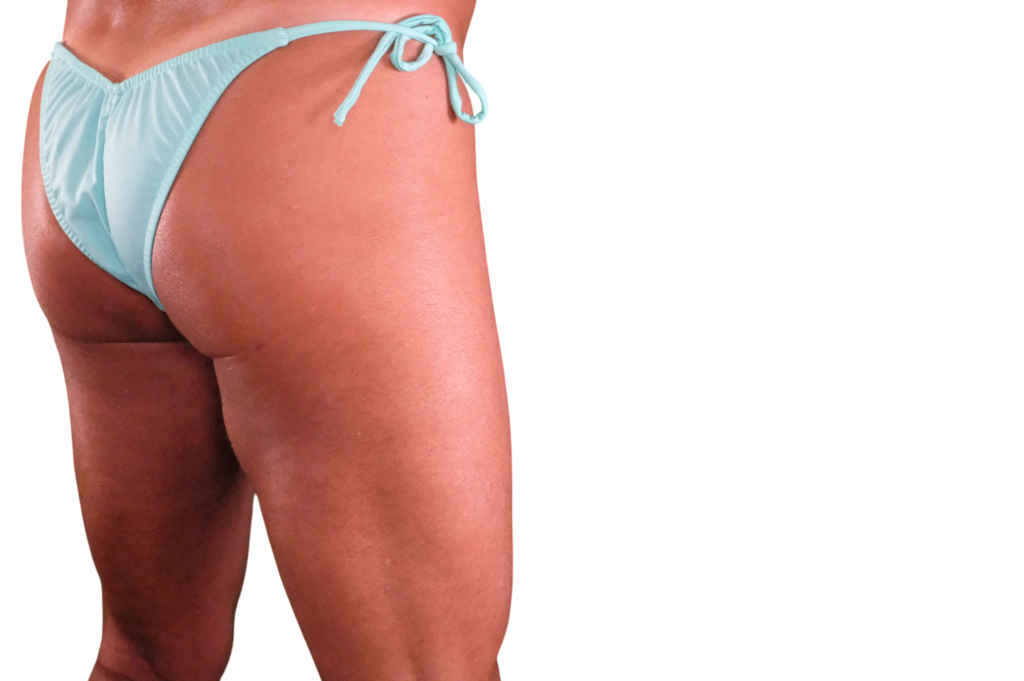
- Bikini briefs: Lower-rise, narrower-cut swimsuits with reduced side coverage.
- Brazilian bikinis: Contoured designs featuring moderate to cheeky rear coverage.
- Thong swimsuits: Minimal rear coverage with a narrow strip of fabric.
- G-string swimsuits: Extremely minimal designs featuring narrow straps and a small front pouch.
- Micro bikinis: Very small front and rear panels intended to provide minimal coverage.
- Ultra-micro swimsuits: Specialized designs that reduce fabric coverage to the practical minimum.
- Pouch-only swimwear: Designs built around a small front pouch and narrow supporting straps.
- Gender-fluid and MTF briefs: Styles designed to minimize or reshape the appearance of the male anatomy.
The differences between these styles can be dramatic, but they share a common feature: stretchy fabric that closely follows the body.
The Evolution of Men’s Spandex Swimwear
For much of the twentieth century, fitted swimwear was a standard option for men. Competitive swimmers wore tight racing suits, and recreational swimmers in many European countries regularly wore brief-style swimsuits.
The introduction and increasing use of elastic synthetic fabrics helped revolutionize swimwear construction. Manufacturers could create lighter, more comfortable garments that moved with the wearer while retaining their shape.
By the 1970s and 1980s, brief-style swimsuits were widely recognized in competitive swimming and beach culture. Speedo became one of the most recognizable names associated with men’s fitted swimwear.
During the same period, men’s fashion was also experimenting with bikini cuts, narrower sides, and more revealing silhouettes.
However, fashion trends developed differently around the world.
In parts of Europe, South America, and Australia, fitted swim briefs remained familiar beachwear. In the United States, especially during the 1990s and 2000s, longer board shorts and baggy swim trunks became dominant casual styles.
For many American men, wearing a bikini or brief swimsuit came to be seen as unusually daring.
Today, that perception is being challenged.
Specialty swimwear companies, online shopping, social media, fitness culture, and greater acceptance of individual fashion choices have made it easier for men to discover styles that go far beyond traditional trunks.
Although loose swim shorts remain popular, the market for smaller and more specialized men’s swimsuits offers an increasingly diverse selection.
Classic Spandex Swim Briefs: The Perfect Starting Point
For men who have never worn a fitted swimsuit, the traditional spandex swim brief is often an excellent place to begin.
These suits usually feature a supportive front pouch, full or nearly full rear coverage, and side panels wide enough to provide a secure fit.
They are practical for swimming, exercising, lounging around a pool, or spending a day at the beach.
One of their biggest advantages is simplicity. A well-fitting swim brief stays close to the body without loose material floating or bunching up in the water.
Men who switch from board shorts to swim briefs frequently notice several differences.
The first is freedom of movement. Without long legs or excess fabric, swimming and walking can feel less restrictive.
The second is the sensation of wearing less material. A swim brief allows more of the thighs and upper legs to remain uncovered.
The third is appearance. Fitted swimwear creates a defined silhouette, which appeals to men who enjoy athletic, fashionable, or body-conscious clothing.
A traditional swim brief can also serve as a stepping stone toward smaller bikini and thong designs.
Men’s Spandex Bikini Briefs: Smaller, Sleeker, and Sexier
The next step beyond traditional swim briefs is the men’s spandex bikini.
Bikini swimwear generally features a lower waistband, narrower sides, and less material around the hips and upper thighs.
Some designs are only slightly smaller than a traditional swim brief. Others have dramatically reduced front panels and extremely narrow sides.
The attraction of bikini swimwear is easy to understand.
Bikinis offer a combination of support, minimal coverage, and a sleek appearance that many men find flattering. They can also create distinctive tan lines and allow more of the body to be exposed to sunlight.
Low-rise bikinis
Low-rise bikini swimsuits sit below the natural waistline, emphasizing the lower abdomen and hips.
They are particularly popular among men who prefer a modern, streamlined appearance.
Narrow-side bikinis
These designs reduce the width of the side panels, sometimes to an inch or less.
Narrow sides expose more of the hips and create a look that resembles many women’s bikini bottoms, although the front construction may be designed specifically for male anatomy.
String bikinis
String bikinis replace wider side panels with narrow straps.
They offer a lightweight, minimal appearance and are often selected by men who want the visual impact of a tiny swimsuit without switching to a thong.
Micro bikinis
Micro bikinis reduce the amount of front and rear fabric significantly.
Some feature very small pouches, while others emphasize a smooth or minimized front profile.
For men who enjoy wearing the smallest possible swimwear, micro bikinis open the door to an entirely different category of designs.
Men’s Spandex Thongs: Minimal Coverage and Maximum Freedom
The thong is one of the most distinctive styles in men’s swimwear.
Unlike traditional briefs and bikinis, a thong features a narrow rear section that runs between the buttocks, leaving most of the rear uncovered.
The front can range from a generously sized supportive pouch to an extremely small micro design.
Men choose thong swimwear for several reasons.
Some appreciate the minimal tan lines. Others enjoy the freedom of movement and the absence of fabric covering the buttocks. Many simply like the appearance of a thong and how it complements their body.
There is also an undeniable fashion statement associated with thong swimwear.
A man wearing a thong at the beach is choosing a style that remains less conventional than shorts or traditional briefs in many places.
For some, that boldness is part of the appeal.
Traditional men’s thongs
These feature a supportive front pouch, narrow sides, and a thong-style rear.
They are often the easiest thong style for a first-time wearer.
Micro thongs
Micro thongs feature smaller front panels and reduced overall coverage.
They appeal to men who enjoy minimalist swimwear and want a more revealing design.
T-back thongs
T-back styles use a narrow waistband and a vertical rear strap, creating a T-shaped appearance.
These can be especially lightweight and visually minimal.
Men’s G-strings
G-strings take the minimal concept even further.
Instead of a conventional waistband and rear panel, many designs use thin straps connected to a small front pouch.
The result is one of the smallest styles of men’s swimwear available.
G-strings are particularly popular in specialty swimwear collections and among men who enjoy experimenting with daring beach fashions.
Micro and Ultra-Micro Spandex Briefs: How Small Can Men’s Swimwear Go?
One of the most interesting developments in specialty men’s swimwear is the availability of increasingly small designs.
Micro and ultra-micro swimsuits challenge conventional ideas about how much fabric a man’s swimsuit needs.
Some designs use tiny front pouches that provide just enough coverage for the intended purpose. Others rely on stretch, compression, and carefully positioned straps to maintain their fit.
The difference between a traditional bikini and an ultra-micro swimsuit can be extraordinary.
A traditional bikini might have several inches of side coverage and a relatively generous front pouch. An ultra-micro design may use narrow straps and a front panel only large enough to cover a small portion of the anatomy.
Specialty companies such as Koalaswim.com offer a variety of men’s micro swimwear concepts, including styles intended to create different pouch shapes, reduced bulges, and feminine-inspired appearances.
Why do men want smaller swimsuits?
The reasons vary considerably.
For some, it is about tanning and minimizing tan lines.
For others, the appeal is aesthetic. They enjoy the look of very small swimwear and the way it reveals the body’s contours.
Some men like the bold fashion statement and the confidence that comes with wearing an unconventional swimsuit.
Others are interested in gender expression, feminization, or exploring swimwear traditionally associated with women.
There is no single reason men choose micro swimwear.
What matters is finding a design that is comfortable, secure, and appropriate for the setting.
The Micro-Bulge Trend: When Smaller Is the Goal
Traditional men’s swimwear often emphasizes a prominent front pouch. Many designs are constructed to provide extra room, projection, or definition.
However, specialty swimwear has also developed an alternative approach: the micro-bulge look.
Instead of creating a large, noticeable pouch, micro-bulge designs aim for a smaller and smoother appearance.
This can be accomplished through pattern construction, fabric selection, strategic compression, and pouch shaping.
Some men naturally have less prominent anatomy and prefer swimwear designed to fit their proportions without excess fabric.
Others have average-sized anatomy but enjoy the visual effect of a smaller front profile.
These styles demonstrate that men’s swimwear does not have to follow a single standard of masculinity.
A man may prefer an athletic pouch one day, a small bikini pouch the next, and a smooth, gender-neutral front on another occasion.
The freedom to choose a swimsuit based on personal preference rather than traditional expectations is one of the most important aspects of modern men’s swimwear.
Compression should always remain comfortable. A smaller-looking pouch should not require painful pressure, numbness, or restricted circulation.
Gender-Fluid Spandex Briefs: When Men’s and Women’s Swimwear Overlap
One of the most creative areas of specialty swimwear involves gender-fluid designs.
These swimsuits move beyond the traditional separation between men’s and women’s clothing.
A gender-fluid swimsuit may combine a male-compatible fit with the visual styling of a women’s bikini.
Other designs go further, creating a smooth front appearance that reduces or conceals the outline of the penis.
For some wearers, the goal is simply to look less traditionally masculine.
For others, the objective is a distinctly feminine appearance.
Gender-fluid swimwear can appeal to a wide variety of people, including feminine men, femboys, nonbinary individuals, crossdressers, and transgender women.
Feminine-cut bikini briefs
These styles use low-rise fronts, narrow sides, and rounded bikini shapes inspired by women’s swimwear.
They may still provide a conventional male pouch, but the overall design has a feminine appearance.
Flat-front swimwear
Flat-front styles use compression and garment shaping to reduce the appearance of a bulge.
They can be attractive to men who prefer a smooth silhouette and to transgender women who do not want their anatomy emphasized.
MTF transformation swimwear
MTF swimwear is designed to create a more feminine appearance through specialized front construction, compression, or tucking-compatible features.
Some designs aim to produce a smooth front, while others create the visual suggestion of feminine anatomy.
These garments can change the appearance of the body beneath swimwear, but they do not physically transform genital anatomy.
Tucking swimwear
Tucking-compatible bikini briefs and thongs are designed to hold the anatomy in a flatter position.
A properly fitted garment can help create a smoother front appearance without requiring surgery or permanent changes.
Tucking should never involve painful pressure, restricted circulation, or forcing anatomy into an uncomfortable position. Any numbness, pain, or skin irritation is a reason to stop and adjust the technique or garment.
For many people exploring a feminine presentation, specialized swimwear can be an important part of feeling comfortable and confident at the beach or pool.
Are Spandex Bikinis and Thongs Only for Gay Men?
Absolutely not.
For years, particularly in parts of American popular culture, small men’s swimsuits have sometimes been associated with gay fashion.
Gay beach communities have certainly played an important role in popularizing body-conscious, revealing, and experimental men’s swimwear.
However, clothing does not determine sexual orientation.
Straight men, gay men, bisexual men, and men of other orientations can all enjoy wearing spandex bikinis, thongs, and micro swimsuits.
In many beach cultures, fitted briefs are simply another form of swimwear.
The idea that a man must be gay to enjoy wearing a thong or bikini is a stereotype rather than a fact.
Men choose their swimsuits based on comfort, appearance, activity, cultural influences, and personal preference.
A straight man who likes a tiny bikini is still straight. A gay man who prefers board shorts is still gay.
Swimwear is fashion, not an indicator of sexual orientation.
Choosing the Right Spandex Brief for Your Body
One of the biggest advantages of modern men’s swimwear is the number of available designs.
Different body types and personal preferences can benefit from different cuts.
Athletic and muscular builds
Men with muscular thighs, defined hips, or athletic physiques often appreciate narrow-side bikinis and traditional swim briefs.
These styles expose the legs and can complement a muscular silhouette.
Slim and lean builds
Low-rise bikinis, string briefs, and narrow-cut thongs can work particularly well on slender frames.
A smaller swimsuit can create clean lines without excess fabric.
Larger or fuller builds
Men with fuller bodies can also look excellent in bikinis and thongs.
The key is choosing a design that fits comfortably and stays securely in position.
A supportive waistband and properly proportioned front panel are often more important than the amount of fabric.
Men with smaller anatomy
Some men find conventional swimwear pouches unnecessarily large.
Smaller, anatomically proportioned pouches can provide a better fit and reduce loose or wrinkled fabric.
Specialty micro-pouch designs may be particularly appealing.
Men who want a feminine appearance
Feminine-cut bikini briefs, flat-front designs, and MTF swimwear offer options for men who want to soften or minimize traditionally masculine contours.
There is no single ideal body type for spandex swimwear. The best swimsuit is the one that fits properly and makes the wearer feel comfortable.
Spandex Fabric: Why It Makes Such a Difference
Fabric quality is essential when choosing a bikini, brief, thong, or micro swimsuit.
Most fitted swimwear uses a combination of synthetic fibers such as nylon or polyester with elastane.
Each component contributes something important.
Nylon can provide a smooth, soft feel against the skin.
Polyester is often valued for durability, color retention, and resistance to pool chemicals.
Spandex supplies the stretch that allows the garment to conform to the body.
Four-way stretch
Four-way stretch fabrics expand both horizontally and vertically.
This helps the swimsuit move naturally during walking, swimming, and other activities.
Compression
Some spandex fabrics provide gentle compression, creating a snug and supportive fit.
Compression can also influence the appearance of the front pouch.
Lightweight materials
Thin, lightweight fabrics are particularly common in micro bikinis and thongs.
However, very thin fabrics may become more transparent when wet, so buyers should consider lining and opacity.
Chlorine resistance
Men who swim regularly in chlorinated pools should look for materials designed to withstand repeated exposure.
High-elastane fabrics may lose elasticity over time, particularly when exposed to chlorine, heat, and improper washing.
How to Choose Between Briefs, Bikinis, Thongs, and Micros
| Style | Coverage | Best for |
| Traditional brief | Moderate to full | Swimming, exercise, first-time wearers |
| Bikini brief | Moderate to minimal | Beachwear, tanning, fashion |
| Thong | Minimal rear | Minimal tan lines, confident styling |
| G-string | Very minimal | Specialty beachwear, private pools, permitted venues |
| Micro bikini | Minimal front and rear | Minimalist fashion, tanning |
| MTF or flat-front | Varies | Smoother or feminine presentation |
The best choice depends on your comfort level, the amount of coverage you want, and where you plan to wear the swimsuit.
For beginners, a conventional swim brief or bikini often provides the easiest introduction.
Men who already enjoy smaller swimsuits may want to experiment with thongs, micro bikinis, or specialized pouch designs.
Wearing Spandex Bikinis and Thongs in Public
For many men, purchasing a small swimsuit is easy. Wearing it in public for the first time can be more challenging.
This is especially true for men who have spent their entire lives wearing loose swim trunks.
A fitted bikini exposes more of the body, and a thong or micro swimsuit can attract additional attention.
Feeling self-conscious at first is normal.
One approach is to begin with a traditional swim brief at a beach or pool where fitted swimwear is common.
After becoming comfortable, you might try a lower-rise bikini, a narrow-side brief, or a thong.
Some men prefer experimenting with new styles while traveling or on vacation, where they feel less concerned about encountering people they know.
Others choose private pools, adult-oriented resorts, or beaches where minimalist swimwear is already accepted.
The important thing is to understand local rules and social expectations.
Not every public pool or beach permits thong or micro swimwear, and some designs may provide too little coverage for public use.
Confidence and consideration for others can go together.
The Role of European and International Beach Culture
Men’s swimwear preferences differ considerably between countries and regions.
In parts of Europe, brief-style swimsuits have long been accepted as ordinary beach and pool attire.
Countries such as France, Italy, Spain, and Greece have established traditions of fitted men’s swimwear, although individual preferences vary widely.
In some public swimming facilities, fitted swimwear is even required for hygiene or operational reasons.
Brazil also has a strong culture of smaller men’s swimwear, with fitted sungas being a recognizable beach style.
Australia has a long history of brief-style swimwear associated with swimming, surfing, and beach culture.
The United States has traditionally leaned more heavily toward swim trunks and board shorts in casual settings, although fitted swimwear is familiar in competitive swimming and certain beach communities.
These international differences demonstrate that the perception of what is normal men’s swimwear is largely cultural.
A swimsuit that appears unusually revealing in one location may be completely ordinary somewhere else.
The Connection Between Fitness and Spandex Swimwear
Fitness culture has contributed to the appeal of body-conscious clothing.
Men who spend time exercising, swimming, running, cycling, or bodybuilding may already be comfortable wearing fitted athletic garments.
Compression shorts, running tights, cycling shorts, and athletic briefs all use similar principles of stretch and body conformity.
For these men, transitioning to fitted swimwear can feel natural.
However, a muscular physique is not a requirement.
One of the healthiest developments in swimwear fashion is the growing emphasis on wearing clothing because you enjoy it, rather than waiting until your body reaches a particular standard.
A man does not need perfect abdominal muscles, large shoulders, or a particular body shape to wear a bikini.
Spandex swimwear is available for a wide range of bodies.
The Psychology of Wearing a Smaller Swimsuit
Why can switching from swim trunks to a bikini or thong feel like such a significant experience?
Part of the answer involves social expectations.
Many men grow up believing that they should cover most of their bodies at the beach, while women are routinely offered much smaller swimwear options.
Wearing a bikini or thong can therefore feel like breaking an unwritten rule.
For some men, that experience is liberating.
They discover that they enjoy the sensation of minimal clothing and appreciate having control over how they present their bodies.
For others, smaller swimwear becomes an expression of confidence.
A man who was once uncomfortable wearing a traditional swim brief may eventually feel perfectly natural wearing a thong.
Some men also enjoy the sensual qualities of soft, stretchy fabric and the feeling of a close fit. Others simply appreciate the practical benefits or the fashion.
These motivations can overlap, and none requires a particular identity or lifestyle.
Spandex Briefs as Everyday Underwear
The appeal of spandex briefs is not limited to swimwear.
Many men wear similar designs as everyday underwear.
Spandex bikini underwear, thongs, and micro briefs can provide a smooth fit beneath trousers, jeans, shorts, and athletic clothing.
Because the fabric stretches, properly fitted garments can move comfortably with the body.
Some men prefer narrow-side bikini underwear because it reduces excess material around the thighs.
Others choose thongs to minimize visible underwear lines.
Men interested in feminine styling may select bikini panties or specially constructed flat-front underwear.
Although swimwear and underwear often share similar fabrics, they are not always interchangeable. Garments intended for swimming should be evaluated for wet opacity, water resistance, and secure fit.
Caring for Your Spandex Bikinis and Thongs
Proper care can significantly extend the life of a swimsuit.
After swimming, rinse the garment in cool fresh water to remove chlorine, salt, sunscreen, and other residues.
Hand washing with a mild detergent is generally preferable for delicate micro bikinis and thongs.
Avoid excessive heat, harsh bleach, and aggressive wringing.
Allow the garment to air dry away from direct high heat.
Because micro swimwear often uses very narrow straps and small fabric panels, gentle handling is particularly important.
A high-quality swimsuit can retain its shape and elasticity much longer when cared for correctly.
Common Questions About Men’s Spandex Briefs
Are spandex bikinis comfortable for men?
Yes. Properly designed and fitted spandex bikinis can be very comfortable. Stretch fabric allows movement, while the pouch provides support. Comfort depends on sizing, construction, and individual preference.
Can straight men wear thong swimsuits?
Absolutely. Swimwear style has no relationship to sexual orientation. Straight, gay, bisexual, and other men can wear any swimsuit they enjoy.
Are men’s bikini swimsuits becoming more popular?
Men’s bikini and specialty swimwear options are increasingly visible through online retailers and niche fashion communities. However, there is limited comprehensive sales data establishing how quickly these categories are growing across the entire market.
What is the difference between a bikini and a thong?
A bikini generally provides some rear coverage, while a thong uses a narrow rear strip and exposes most of the buttocks. Both styles can have different front pouch sizes and side widths.
What is the smallest men’s swimsuit available?
Some ultra-micro bikinis, G-strings, and pouch-only designs use extremely small amounts of fabric. There is no universally recognized smallest swimsuit because coverage, measurements, and construction vary between manufacturers.
Can men wear women’s bikini bottoms?
Yes, although fit can be an issue. Women’s bikini bottoms may not provide enough front room or support for some male anatomy. Men’s feminine-cut or gender-fluid swimwear can offer a similar appearance with more suitable construction.
What if I want my swimsuit to make my bulge look smaller?
Look for micro-bulge, flat-front, or gender-fluid styles specifically designed for a reduced front profile. The fit should be secure without excessive compression or discomfort.
Can I wear a thong at a public beach?
That depends on local laws, beach regulations, and venue policies. Some beaches permit thongs, while others require more coverage. Check the rules before visiting.
Do I need to be in excellent shape to wear a micro bikini?
No. Men of many body types wear fitted and minimalist swimwear. The most important considerations are fit, comfort, adequate coverage for the setting, and personal confidence.
Finding the Right Spandex Brief: From Traditional to Extreme
With so many choices available, selecting the right swimsuit can be an enjoyable process of experimentation.
Men who want a conventional athletic appearance can start with a traditional swim brief.
Those who prefer something smaller may enjoy a low-rise bikini or narrow-side design.
Thong enthusiasts can choose from conventional pouch thongs, T-back designs, and micro thongs.
For men who want the smallest possible amount of fabric, specialty micro bikinis, ultra-micro designs, and G-strings offer additional possibilities.
And for those exploring feminine or gender-fluid presentation, flat-front briefs, MTF swimwear, and specialized tucking designs create an entirely different set of options.
Companies such as Koalaswim.com focus on many of these specialized categories, offering alternatives to the traditional swimwear found in mainstream retail stores.
The key is understanding what you want your swimsuit to accomplish.
Do you want more freedom of movement? Smaller tan lines? A more athletic appearance? A minimal front pouch? A feminine silhouette? Or simply a swimsuit that feels different from anything you have worn before?
The answer will help guide you toward the right design.
The Future of Men’s Spandex Briefs, Bikinis, and Thongs
The future of men’s fitted swimwear is likely to be shaped by several developments.
First, specialty manufacturers can continue experimenting with smaller cuts, innovative pouch construction, and new combinations of stretch fabrics.
Second, gender-fluid fashion is creating more opportunities for designs that do not fit traditional men’s or women’s categories.
Third, online shopping gives consumers access to niche products that may never appear in conventional department stores.
Fourth, social media and international travel expose men to a wider range of swimwear styles and beach cultures.
Finally, changing attitudes toward male body image may encourage more men to choose clothing based on personal preference rather than rigid expectations.
None of this means that traditional swim trunks will disappear.
Rather, the most promising development is greater choice.
Men who love board shorts can continue wearing them. Men who prefer classic Speedos can enjoy those. And men who want tiny bikinis, thongs, G-strings, or gender-fluid designs can explore those options as well.
Conclusion: Spandex Briefs Are Redefining Men’s Swimwear
Men’s spandex swimwear has evolved far beyond the traditional athletic brief.
Today’s choices range from conservative, supportive swim briefs to narrow-side bikinis, Brazilian cuts, thongs, G-strings, micro bikinis, and ultra-micro designs.
Specialized pouch construction has also expanded the possibilities, allowing men to select everything from traditionally masculine silhouettes to smooth, minimal-bulge, and feminine-inspired appearances.
For some men, the perfect swimsuit will always be a classic brief. For others, the excitement lies in discovering just how small, lightweight, and minimal a swimsuit can become.
The biggest change is not simply that men’s swimsuits can be smaller. It is that men have more freedom to decide what they want to wear.
A bikini is no longer something that must be associated with one type of man. A thong does not define someone’s sexuality. A feminine-cut swimsuit does not automatically define someone’s gender identity.
They are all clothing choices, and every wearer can have a different reason for enjoying them.
From the classic spandex brief to the tiniest micro thong, men’s swimwear offers a remarkable range of possibilities.
And for men who have spent years wearing baggy shorts while wondering what it would feel like to try something smaller, there has never been a wider selection of styles to explore.
Spandex briefs, bikinis, and thongs are not just alternatives to traditional men’s swimwear. They are part of a broader movement toward personal expression, body confidence, and the freedom to wear the swimsuit that feels right for you.